
 Business License

Shipbuilding Steel Plate: Grades, Applications and Selection Guide
Shipbuilding Steel Plate: Grades, Applications and Selection Guide
Shipbuilding steel plate is an important material in the construction of commercial vessels and offshore structures. It is used in hulls, decks, bulkheads and other structural components that must withstand heavy loads, wave impact and changing marine conditions.
Choosing suitable steel plate involves more than checking dimensions and price. Steel grade, mechanical properties, weldability and classification requirements all play a role in determining whether the material meets a project's needs.
Common Grades of Shipbuilding Steel Plate
Marine steel plates are available in grades such as AH32, DH32, EH32, AH36, DH36, EH36, AH40, DH40 and EH40. These grades are designed for shipbuilding applications with different strength and toughness requirements.
The appropriate grade depends on the vessel's structural design, operating environment and applicable classification rules. Buyers should confirm the required grade before ordering, especially when the material is intended for a class-approved vessel.
General carbon steel grades, such as Q235 and A36, may be used in other industrial applications, but they should not be treated as direct substitutes for certified shipbuilding steel without engineering approval.
Main Applications in Shipbuilding and Offshore Engineering
Shipbuilding steel plate is used throughout vessel construction and marine infrastructure.
Hull construction: Forms major structural sections of cargo ships, tankers and container vessels.
Decks and bulkheads: Provides structural support and separates different areas within a vessel.
Hatch covers: Supports cargo protection and handling requirements.
Offshore structures: Used in platforms, floating production and storage units, and other marine engineering projects.
The required plate grade and thickness vary according to structural loads, design specifications and the conditions in which the vessel or structure will operate.
Thickness, Dimensions and Custom Processing
Steel plate dimensions are selected according to engineering drawings and fabrication requirements. Large shipbuilding projects may require different thicknesses and widths for hull sections, decks and supporting structures.
Hot-rolled steel plate can be cut to specified dimensions to reduce additional processing at the shipyard. Before placing an order, buyers should confirm thickness, width, length, dimensional tolerances and surface condition.
Custom cutting can help improve material utilization and simplify fabrication. However, cutting methods and processing tolerances should be agreed upon in advance to ensure the finished plates meet project requirements.
Standards and Classification Requirements
Shipbuilding steel plate may need to comply with standards and inspection requirements specified by classification societies such as ABS, LR, DNV and CCS. The exact requirements depend on the vessel type, project specification and purchase contract.
Buyers should verify the material grade, mill test certificates, inspection documentation and required classification approval before confirming an order. General certifications held by a supplier do not necessarily mean that every plate or shipment has been approved for a particular marine project.
Clear documentation helps maintain material traceability and reduces the risk of delays during inspection and fabrication.
Shipbuilding Steel Plate Supply for Marine Projects
Shandong Zhengde Metal Manufacturing Co., Ltd. supplies hot-rolled steel plates for shipbuilding and other industrial applications. Available product options include various marine steel grades, with customized dimensions and cutting services subject to order requirements.
When requesting a quotation, buyers should provide the required grade, thickness, width, quantity, certification requirements and destination port. These details help the supplier confirm availability, processing arrangements and delivery schedules.
Selecting the right shipbuilding steel plate at the beginning of a project supports efficient fabrication, reliable structural performance and smoother coordination between steel suppliers and shipyards.
Recently Posted
-
Carbon Galvanized Steel Wire Rope
October 15, 2026Carbon Galvanized Steel Wire RopeIn the world of construction, agriculture and industrial packaging, few materials pull their weig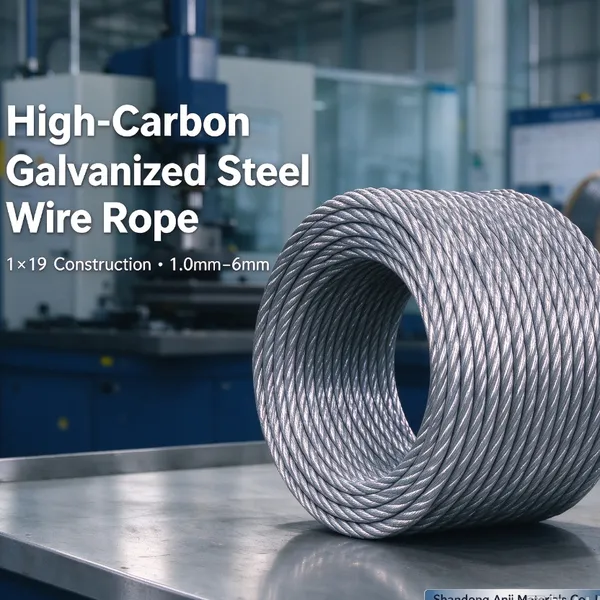 Read More
 -
What Makes Wear Resistant Steel Plate Suitable for Heavy-Duty Applications?
October 14, 2026What Makes Wear Resistant Steel Plate Suitable for Heavy-Duty Applications?Wear resistant steel plate is an important material for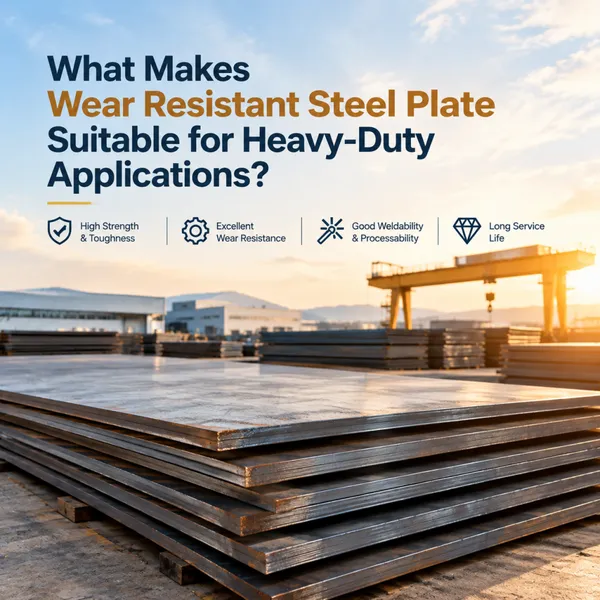 Read More
 -
What Makes Prestressed Steel Wire Suitable for Long-Term Structural Applications?
October 10, 2026What Makes Prestressed Steel Wire Suitable for Long-Term Structural Applications?Prestressed steel wire is widely used in modern c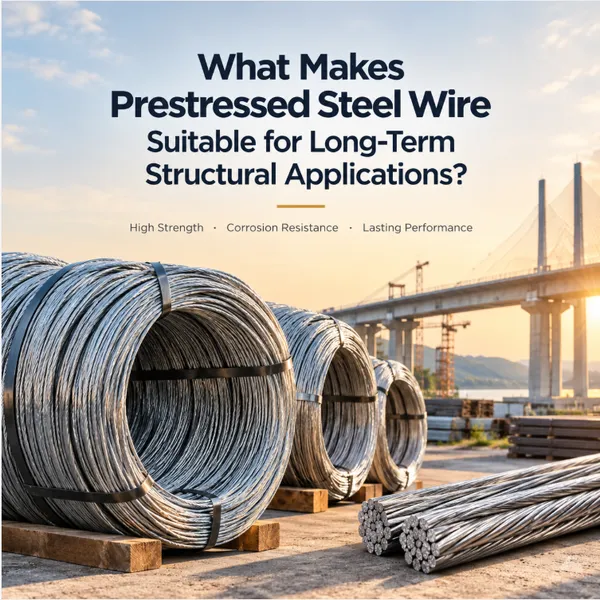 Read More
 -
What Makes Hot Rolled Carbon Steel Sheet Suitable for Heavy-Duty Applications?
October 9, 2026What Makes Hot Rolled Carbon Steel Sheet Suitable for Heavy-Duty Applications?Hot rolled carbon steel sheet is a widely used mater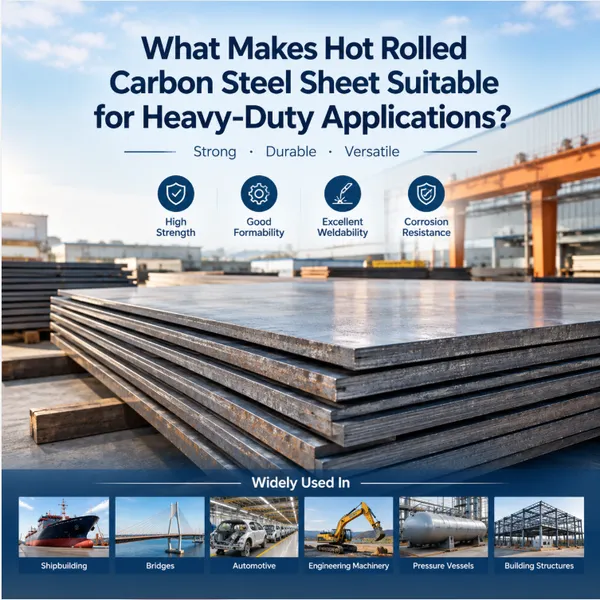 Read More

Contact Us
Recommended Products
-
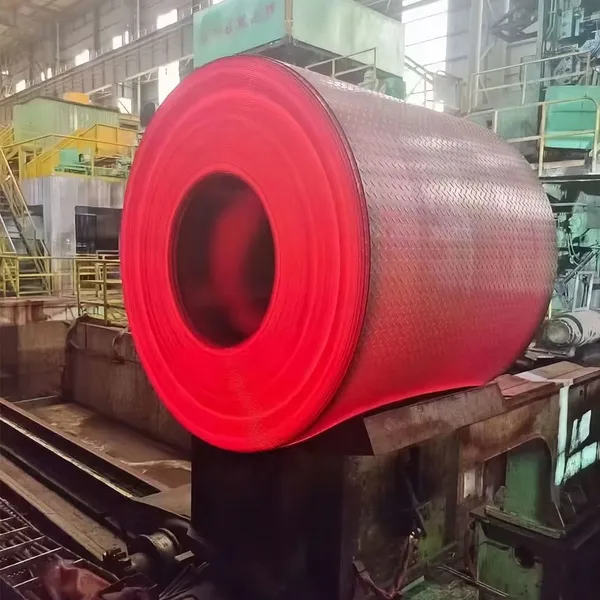
 ASTM A36 Hot Rolled Steel Coil Carbon Steel Pickled and Oiled for Stamping and FormingUS$ 450 - 480MOQ: 10 Tons
 -
Cold Rolled Steel Coil SPCC DC01 for Deep Drawing and StampingUS$ 430 - 480MOQ: 10 Tons
-
Galvalume Steel Coil AZ150 ASTM A792 for Industrial Siding and HVAC SystemsUS$ 550 - 580MOQ: 10 Tons
-
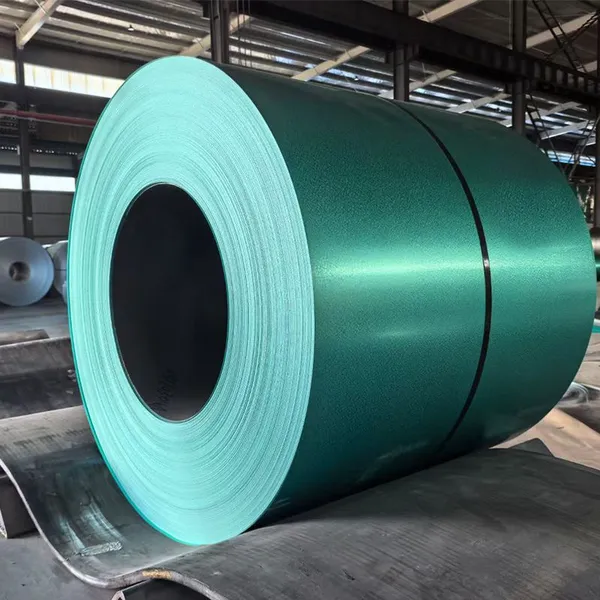
Prepainted Galvanized Steel Coil Color Coated PPGI Coil for Roofing and Sandwich PanelsUS$ 480 - 520MOQ: 10 Tons
-
Cold Drawn Precision Steel Pipe Tight Tolerance for Pneumatic Hydraulic Cylinder ApplicationsUS$ 570 - 590MOQ: 10 Tons
-
Hot Rolled Steel Plate ASTM A36 4143 S355 65Mn for Structural and Heavy Equipment ShipbuildingUS$ 420 - 445MOQ: 10 Tons
-
Precision Cold Rolled Steel Sheet SPCD DC03 for Fine Blanking and BendingUS$ 450 - 485MOQ: 10 Tons
-
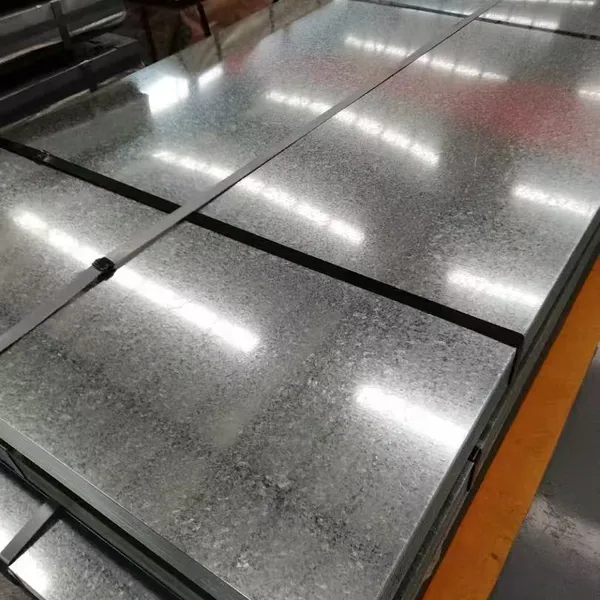
Hot Dip Galvanized Steel Sheet DX51D Z Custom Width and Thickness for Fabrication Roofing and Automotive PanelsUS$ 520 - 550MOQ: 10 Tons
-
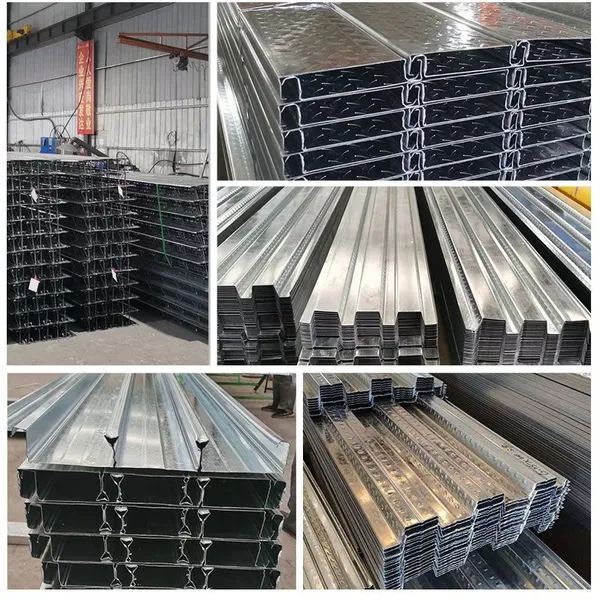
Galvanized Steel Decking is a Widely Used Type of Profiled Steel Sheet in Modern Steel Structure BuildingsUS$ 510 - 535MOQ: 10 Tons
-
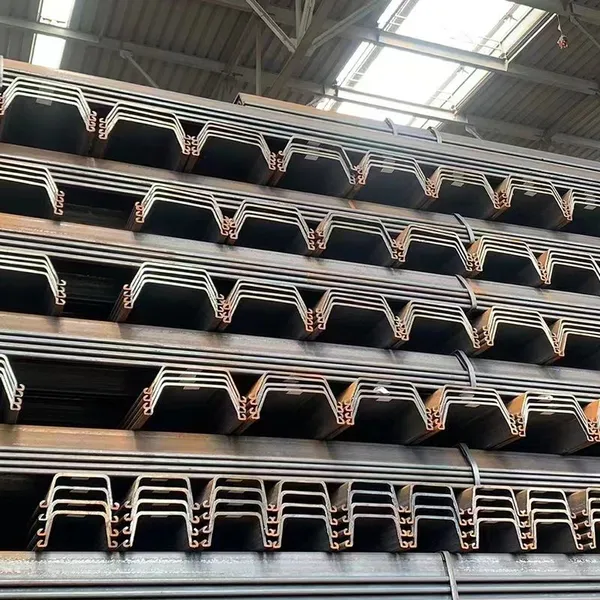
ASTM A572 Steel Sheet Pile U Type and Z Type for Cofferdam and Retaining WallUS$ 500 - 550MOQ: 10 Tons
-
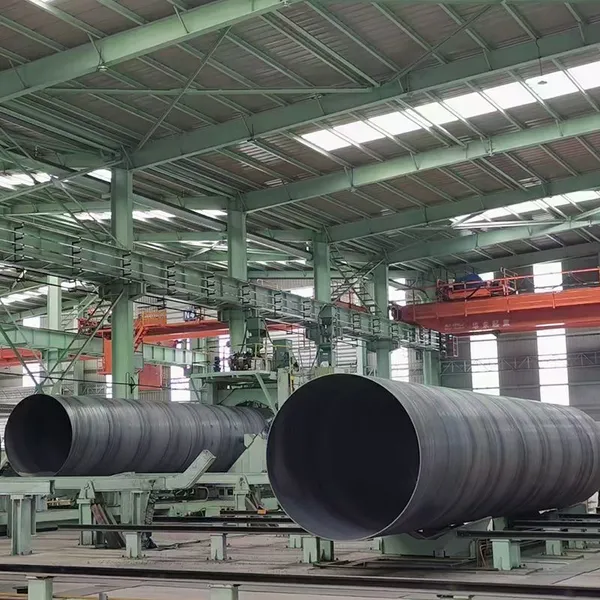
Spiral Welded Steel Pipe Large Diameter for Oil Pipeline and PilingUS$ 450 - 500MOQ: 10 Tons
-
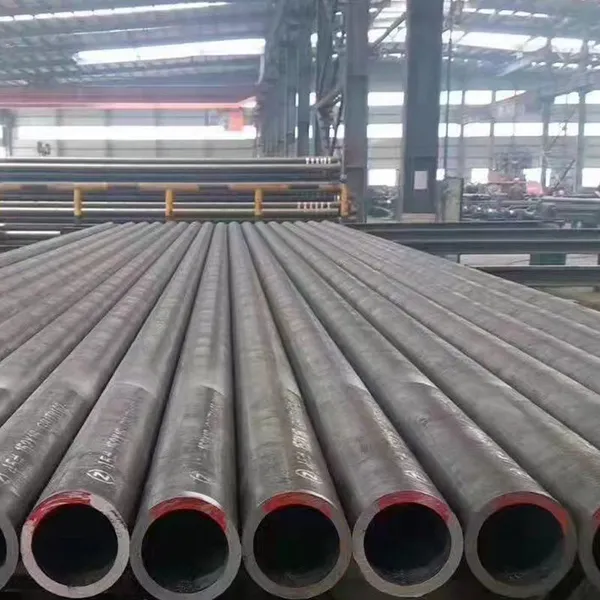
Hot Rolled Seamless Steel Pipe ASTM A106 Grade B for High Pressure ApplicationsUS$ 530 - 550MOQ: 10 Tons
-
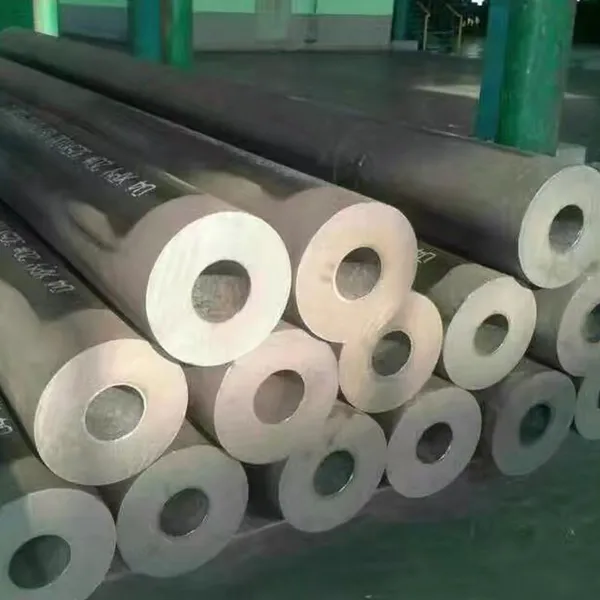
Alloy Steel Seamless Pipe for Boiler and Heat Exchanger High Temperature ServiceUS$ 530 - 550MOQ: 10 Tons
-
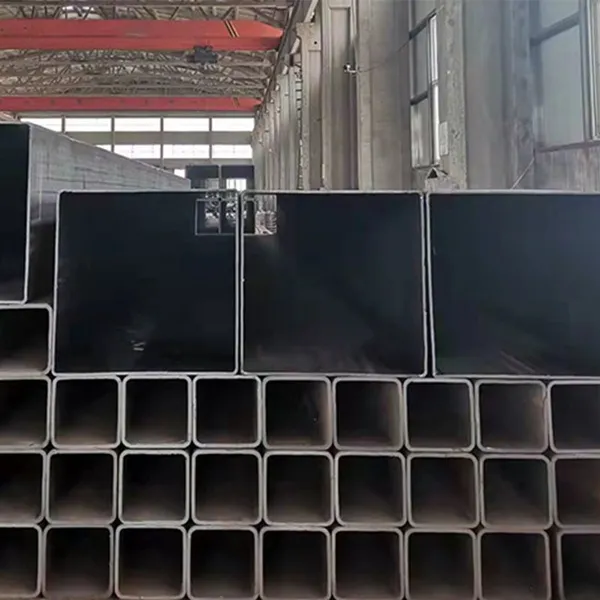
Welded Steel Pipe ASTM A53 Grade B for Construction Water and Gas TransmissionUS$ 450 - 500MOQ: 10 Tons
-
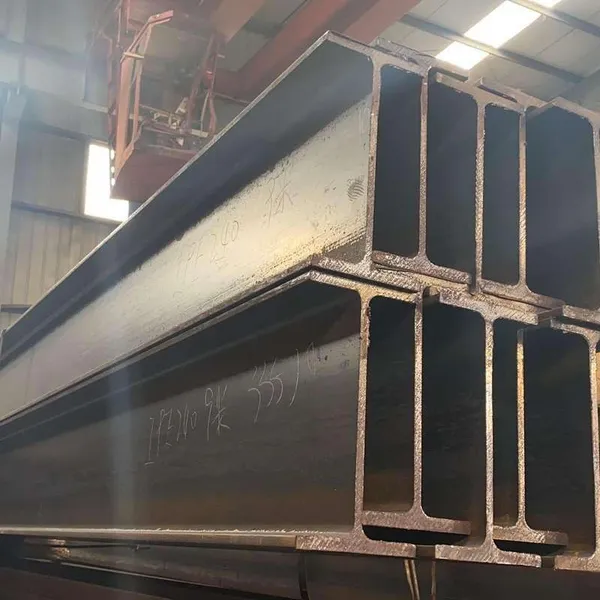
ASTM S235JR S355JR Hot Rolled H Beam Steel Structural Beam for Building Frame and Bridge ConstructionUS$ 420 - 440MOQ: 10 Tons
-
Prestressed Steel Wire PC Wire Indented Surface for Bridge and Beam ConstructionUS$ 530 - 550MOQ: 10 Tons
-
Hot Rolled Steel Wire RodSAE1006 Q195B 82B 5.5 8 12mm for Drawing and FormingUS$ 430 - 450MOQ: 10 Tons
-
ASTM A615 Grade 60 HRB400 500 Hot Rolled Deformed Steel Rebar for Concrete Reinforcement Construction GradeUS$ 400 - 430MOQ: 10 Tons
-
SAE1006 Q195 Gauge Hot Dipped Galvanized Wire Strong Tensile for Fencing Machinery and ConstructionUS$ 470 - 490MOQ: 10 Tons
-
High Carbon Spring Steel Wire ASTM A227 for Compression and Extension SpringsUS$ 560 - 580MOQ: 10 Tons