
 Business License
Welded Steel Pipe: Welding Methods and Quality Checks
Welded Steel Pipe: Welding Methods and Quality Checks
Welded carbon steel pipe is widely used in construction, mechanical manufacturing, and fluid transportation. Its dimensions, material grades, and welding methods can be selected according to different production and service requirements.
1. What Are the Main Types of Welded Steel Pipe?
Welded steel pipes are commonly classified by their manufacturing process.
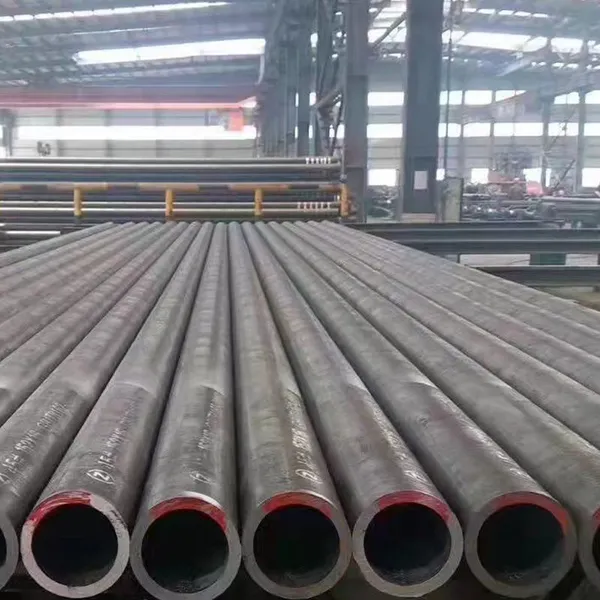
ERW pipe: Uses electric resistance welding and is widely used for straight-seam pipes in suitable sizes.
LSAW pipe: Uses longitudinal submerged arc welding and is often selected for large-diameter applications.
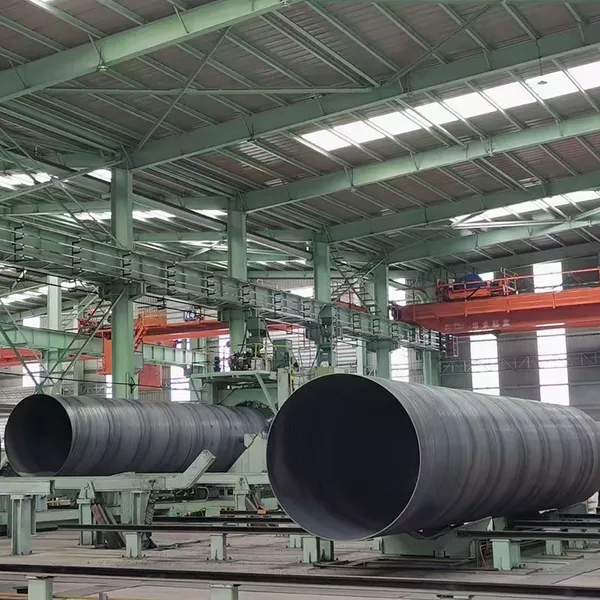
SSAW pipe: Uses spiral submerged arc welding to form a helical seam and is commonly used for large-diameter pipelines.
Each process has its own suitable size range and production characteristics. The choice depends on pipe dimensions, material requirements, and the intended application.
2. Why Are Weld Inspection and Dimensional Accuracy Important?
The quality of a welded pipe depends on more than the visible weld seam. Wall thickness, outside diameter, straightness, and weld integrity all affect installation and service performance.
Depending on the applicable standard and order requirements, inspection may include dimensional checks, visual examination, ultrasonic testing, and hydrostatic testing. These methods help assess different aspects of product quality.
Consistent dimensions also make cutting, threading, coupling, and installation easier. For projects with specific technical requirements, inspection methods should be confirmed before production.
3. How Should Buyers Select Pipe Specifications?
The correct pipe specification depends on its working conditions and intended use.
For structural applications: Consider the required strength, dimensions, and connection method.
For fluid transportation: Confirm the medium, operating pressure, temperature, and applicable pipe standard.
For mechanical processing: Check wall thickness, material grade, dimensional tolerances, and machining requirements.
Welded pipe can be a cost-effective alternative to seamless pipe for suitable applications, but the two should not be treated as interchangeable in every service condition.
4. Where Is Welded Carbon Steel Pipe Used?
Common applications include building structures, machinery, water and air lines, industrial equipment, and selected pipeline systems. Different grades and manufacturing methods serve different requirements, so the final specification should match the actual service conditions.
Shandong Zhengde Metal Manufacturing supplies welded carbon steel pipes in various sizes and grades, with options for inspection, end finishing, threading, and coupling processing. Confirming the required standard and application helps ensure the pipe is prepared for its intended use.
Recently Posted
-
Hot-Dip Galvanized Steel Strip: Surface Finishes and Industrial Applications
October 26, 2026Hot-Dip Galvanized Steel Strip: Surface Finishes and Industrial ApplicationsHot-dip galvanized steel strip is widely used in const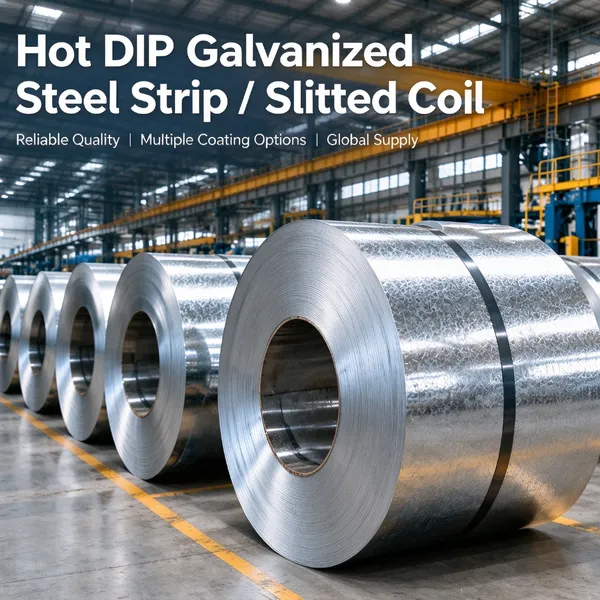 Read More
-
Galvanized Steel Coil: Choosing the Right Zinc Coating and Specifications
October 23, 2026Galvanized Steel Coil: Choosing the Right Zinc Coating and SpecificationsGalvanized steel coil is widely used in construction and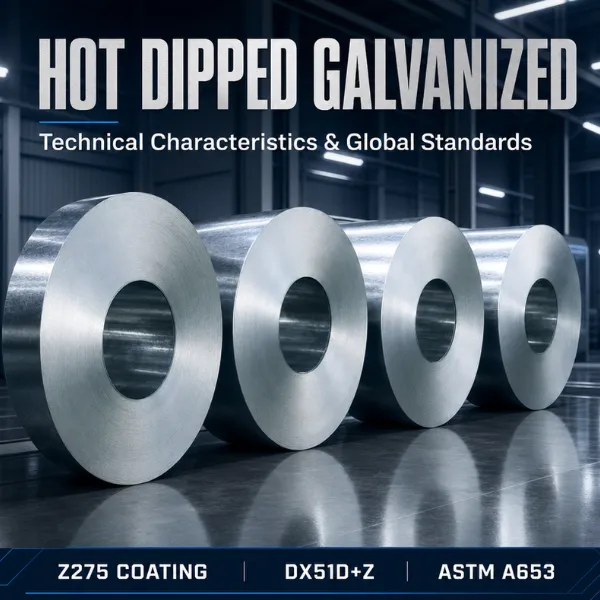 Read More
-
Galvanized Steel Wire: Coating Types, Features and Applications
October 22, 2026Galvanized Steel Wire: Coating Types, Features and ApplicationsGalvanized steel wire is widely used in fencing, construction and w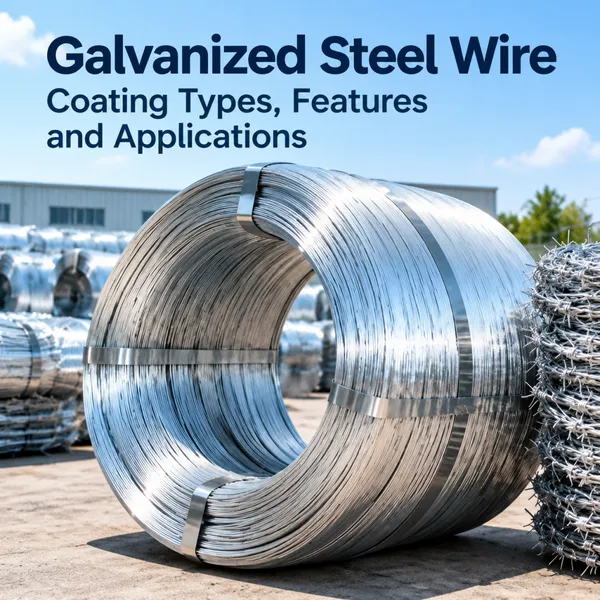 Read More
-
Hot Dipped Galvanized Steel Coil: Zinc Coating, Surface Finishes and Applications
October 21, 2026Hot Dipped Galvanized Steel Coil: Zinc Coating, Surface Finishes and ApplicationsHot dipped galvanized steel coil is widely used i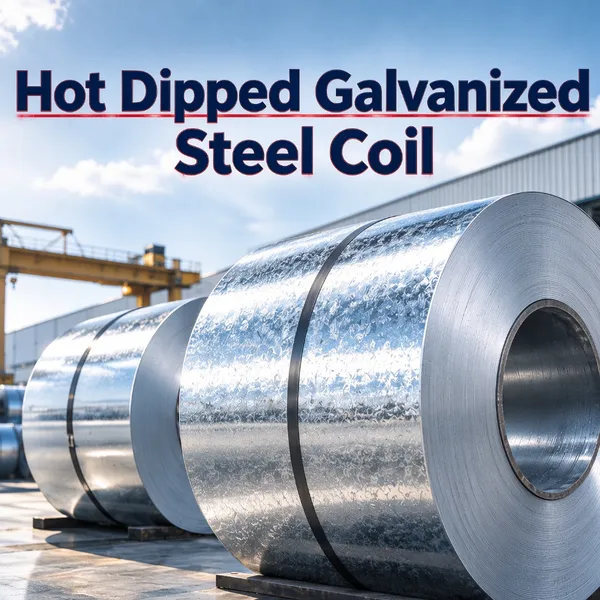 Read More

Contact Us
Recommended Products
-
 ASTM A36 Hot Rolled Steel Coil Carbon Steel Pickled and Oiled for Stamping and FormingUS$ 450 - 480MOQ: 10 Tons
-
Cold Rolled Steel Coil SPCC DC01 for Deep Drawing and StampingUS$ 430 - 480MOQ: 10 Tons
-
Galvalume Steel Coil AZ150 ASTM A792 for Industrial Siding and HVAC SystemsUS$ 550 - 580MOQ: 10 Tons
-
Prepainted Galvanized Steel Coil Color Coated PPGI Coil for Roofing and Sandwich PanelsUS$ 480 - 520MOQ: 10 Tons
-
Cold Drawn Precision Steel Pipe Tight Tolerance for Pneumatic Hydraulic Cylinder ApplicationsUS$ 570 - 590MOQ: 10 Tons
-
Hot Rolled Steel Plate ASTM A36 4143 S355 65Mn for Structural and Heavy Equipment ShipbuildingUS$ 420 - 445MOQ: 10 Tons
-
Precision Cold Rolled Steel Sheet SPCD DC03 for Fine Blanking and BendingUS$ 450 - 485MOQ: 10 Tons
-
Hot Dip Galvanized Steel Sheet DX51D Z Custom Width and Thickness for Fabrication Roofing and Automotive PanelsUS$ 520 - 550MOQ: 10 Tons
-
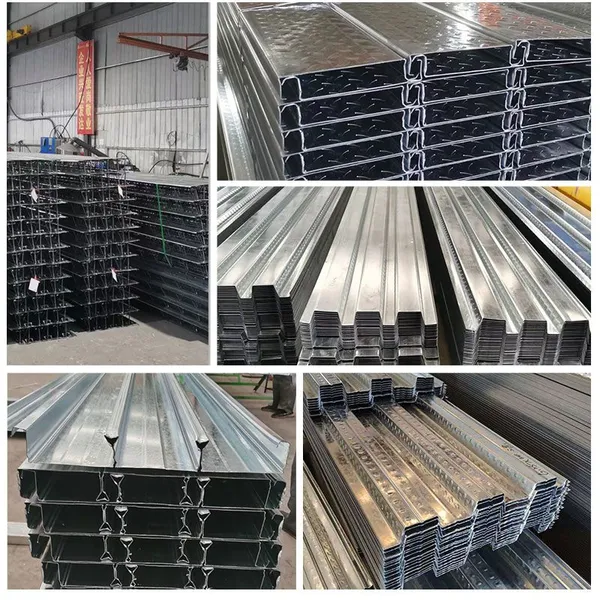
Galvanized Steel Decking is a Widely Used Type of Profiled Steel Sheet in Modern Steel Structure BuildingsUS$ 510 - 535MOQ: 10 Tons
-
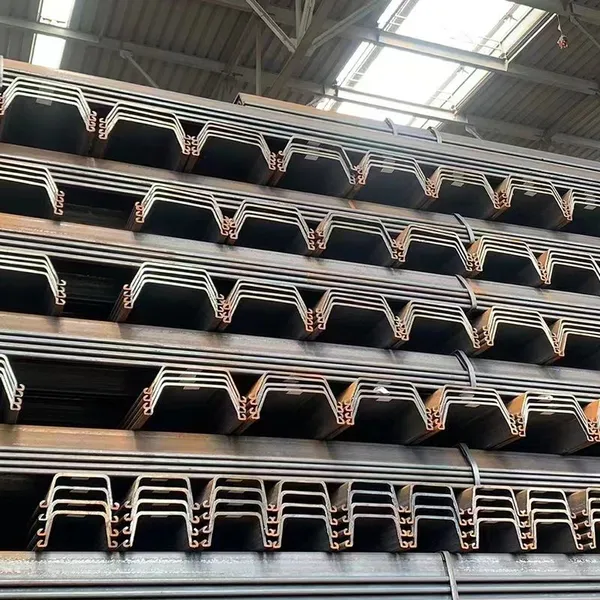
ASTM A572 Steel Sheet Pile U Type and Z Type for Cofferdam and Retaining WallUS$ 500 - 550MOQ: 10 Tons
-
Spiral Welded Steel Pipe Large Diameter for Oil Pipeline and PilingUS$ 450 - 500MOQ: 10 Tons
-
Hot Rolled Seamless Steel Pipe ASTM A106 Grade B for High Pressure ApplicationsUS$ 530 - 550MOQ: 10 Tons
-
Alloy Steel Seamless Pipe for Boiler and Heat Exchanger High Temperature ServiceUS$ 530 - 550MOQ: 10 Tons
-
Welded Steel Pipe ASTM A53 Grade B for Construction Water and Gas TransmissionUS$ 450 - 500MOQ: 10 Tons
-
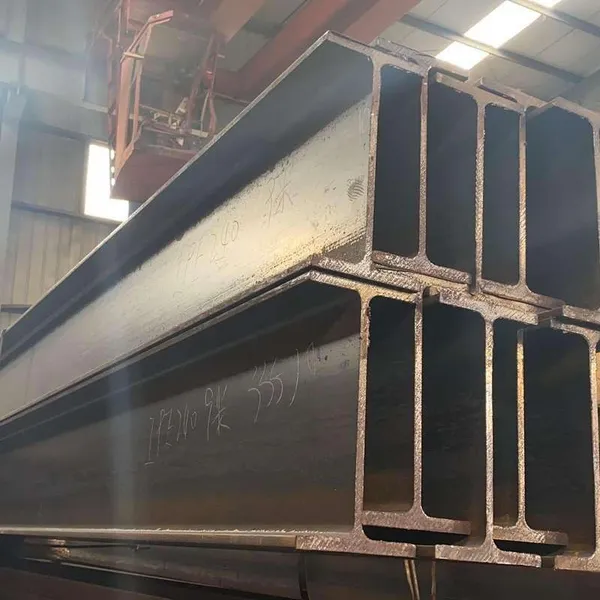
ASTM S235JR S355JR Hot Rolled H Beam Steel Structural Beam for Building Frame and Bridge ConstructionUS$ 420 - 440MOQ: 10 Tons
-
Prestressed Steel Wire PC Wire Indented Surface for Bridge and Beam ConstructionUS$ 530 - 550MOQ: 10 Tons
-
Hot Rolled Steel Wire RodSAE1006 Q195B 82B 5.5 8 12mm for Drawing and FormingUS$ 430 - 450MOQ: 10 Tons
-
ASTM A615 Grade 60 HRB400 500 Hot Rolled Deformed Steel Rebar for Concrete Reinforcement Construction GradeUS$ 400 - 430MOQ: 10 Tons
-
SAE1006 Q195 Gauge Hot Dipped Galvanized Wire Strong Tensile for Fencing Machinery and ConstructionUS$ 470 - 490MOQ: 10 Tons
-
High Carbon Spring Steel Wire ASTM A227 for Compression and Extension SpringsUS$ 560 - 580MOQ: 10 Tons