
 Business License
What Is ASTM A615 Rebar? Specifications, Features and Supply from China
What Is ASTM A615 Rebar? Specifications, Features and Supply from China
As global construction and infrastructure projects continue to grow, reliable reinforcing steel remains essential for concrete structures. ASTM A615 rebar is widely used in building, bridge, road, tunnel and other reinforced concrete projects.
What Is ASTM A615 Rebar?
ASTM A615/A615M is a standard specification for deformed and plain carbon-steel bars used for concrete reinforcement. It covers key requirements for dimensions, chemical composition and mechanical properties, including tensile, yield, elongation and bending performance.
Under the current ASTM A615/A615M-26 specification, available strength grades include Grade 40, Grade 60, Grade 80 and Grade 100. For international projects, buyers should confirm the required ASTM edition and grade before ordering.
Key Features of Deformed Rebar
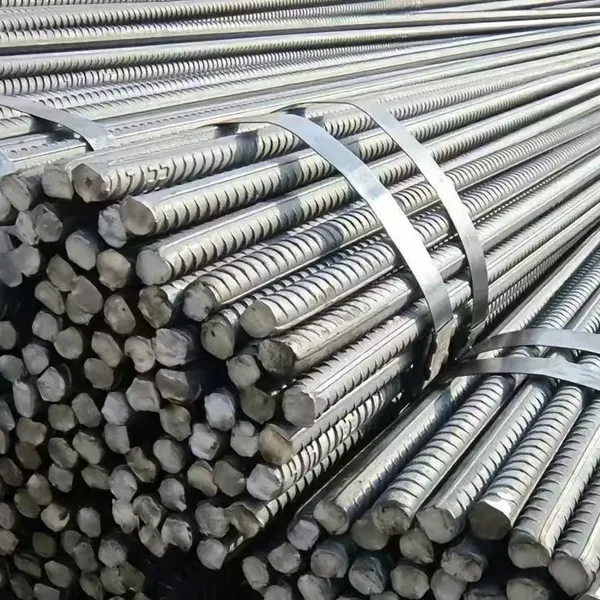
ASTM A615 deformed rebar features longitudinal and transverse ribs that improve mechanical bonding between steel and concrete. The ribbed surface helps reduce slippage and provides reliable reinforcement within concrete structures.
Hot-rolled rebar also offers stable mechanical performance, including good tensile strength, bending capability and ductility. Consistent dimensions and rib patterns are important for maintaining reliable structural performance.
Specifications and Supply Options
ANLI supplies hot-rolled deformed rebar in diameters from 6–50 mm, including 6, 8, 10, 12, 16, 18, 20, 22, 25, 28, 32, 36, 40, 45 and 50 mm. Customized lengths and specifications are available according to project requirements.
Products can be supplied according to different market standards, including ASTM, JIS and GB, with grades such as ASTM A615 Grade 40/60/80/100 and Chinese HRB335, HRB400 and HRB500. Grade 75 may also be supplied where required under an applicable specification or edition.
Applications
Deformed rebar is widely used for reinforced concrete structures, including:
High-rise buildings · Foundations · Bridges · Roads · Tunnels · Industrial Buildings · Infrastructure Projects
It works together with concrete to provide reinforcement and help structural components withstand tensile forces.
Why Choose a Chinese Rebar Supplier?
China's established steel manufacturing industry enables suppliers to provide flexible specifications and large-volume supply for international buyers.
ANLI offers factory-direct supply, 5-ton MOQ, customized sizes, waterproof export packaging and quality documentation. Standard lead time is generally 7–15 days, depending on order specifications and production schedules. T/T and L/C payment options are available.
For contractors, importers, distributors and engineering companies, choosing a reliable rebar supplier means considering not only price, but also product consistency, documentation, delivery reliability and long-term supply capacity.
With a wide range of specifications and export supply experience, ANLI provides practical rebar solutions for construction and infrastructure projects worldwide.
Recently Posted
-
Rebar HRB400E: Production, Performance and Applications in Reinforced Concrete
September 17, 2026Rebar HRB400E: Production, Performance and Applications in Reinforced ConcreteRebar is a key steel material used in reinforced con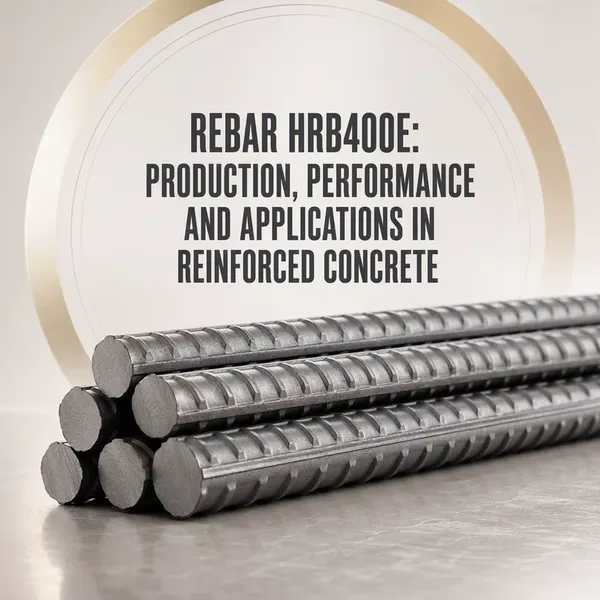 Read More
 -
Steel Railway Rail: Key Grades, Strength Levels and Applications for Modern Rail Projects
September 15, 2026Steel Railway Rail: Key Grades, Strength Levels and Applications for Modern Rail ProjectsSteel railway rail is a basic part of rai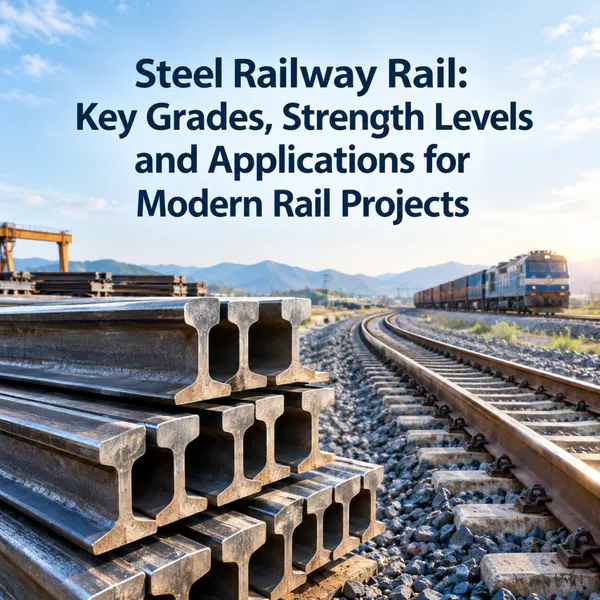 Read More
 -
ANLI Color Coated Steel (PPGI): Durable Coatings and Flexible Designs for Global Construction
September 14, 2026ANLI Color Coated Steel (PPGI): Durable Coatings and Flexible Designs for Global ConstructionIndustry News | Steel & Building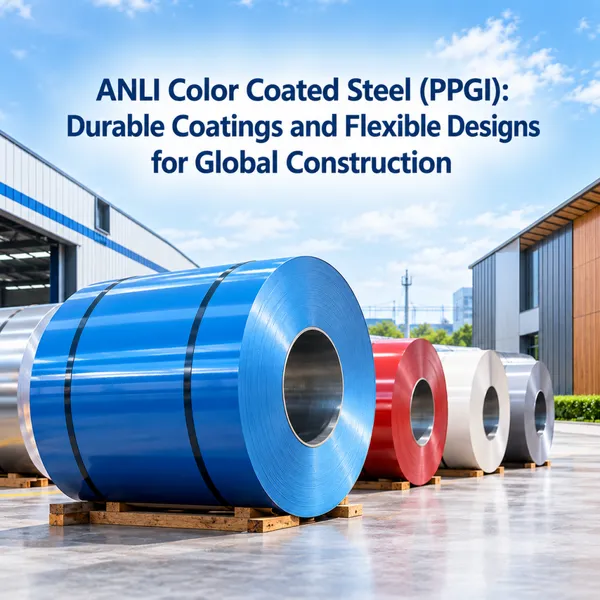 Read More
 -
In-Depth Look at GB/T 12754-2019: A Key Standard for High-Performance PPGI Coil
September 11, 2026In-Depth Look at GB/T 12754-2019: A Key Standard for High-Performance PPGI CoilPPGI Coil is widely used for building roofs, exteri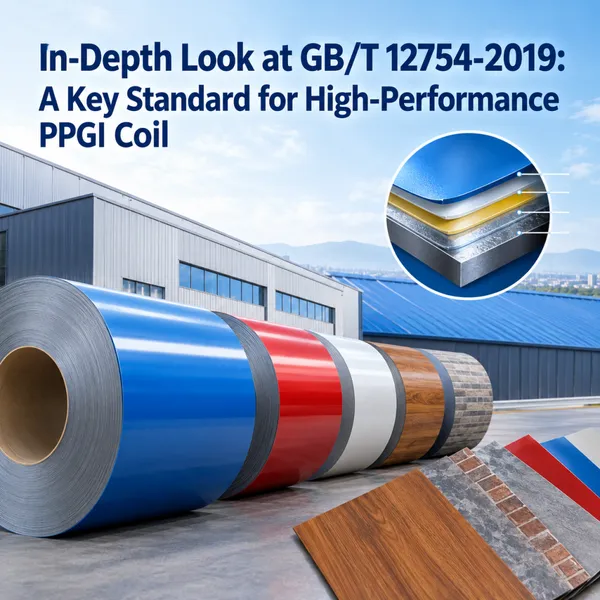 Read More

Contact Us
Recommended Products
-
 ASTM A36 Hot Rolled Steel Coil Carbon Steel Pickled and Oiled for Stamping and FormingUS$ 450 - 480MOQ: 10 Tons
 -
Cold Rolled Steel Coil SPCC DC01 for Deep Drawing and StampingUS$ 430 - 480MOQ: 10 Tons
-
Galvalume Steel Coil AZ150 ASTM A792 for Industrial Siding and HVAC SystemsUS$ 550 - 580MOQ: 10 Tons
-
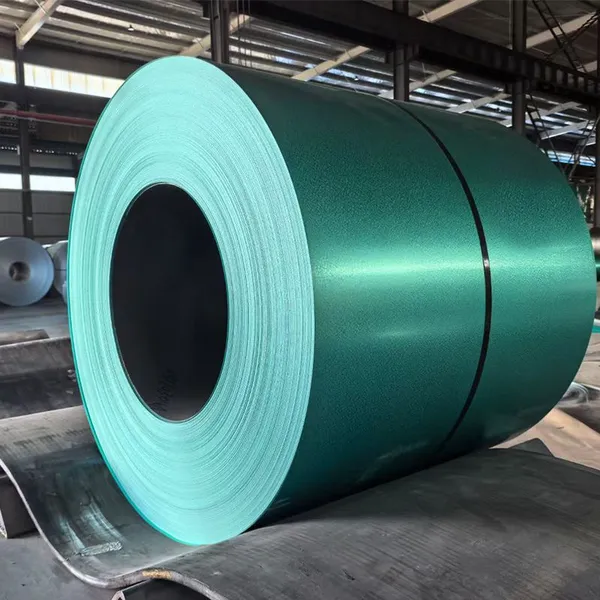
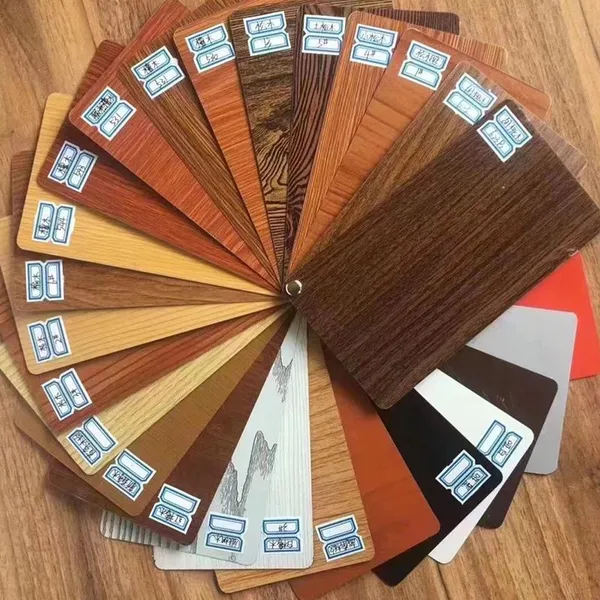
Prepainted Galvanized Steel Coil Color Coated PPGI Coil for Roofing and Sandwich PanelsUS$ 480 - 520MOQ: 10 Tons
-
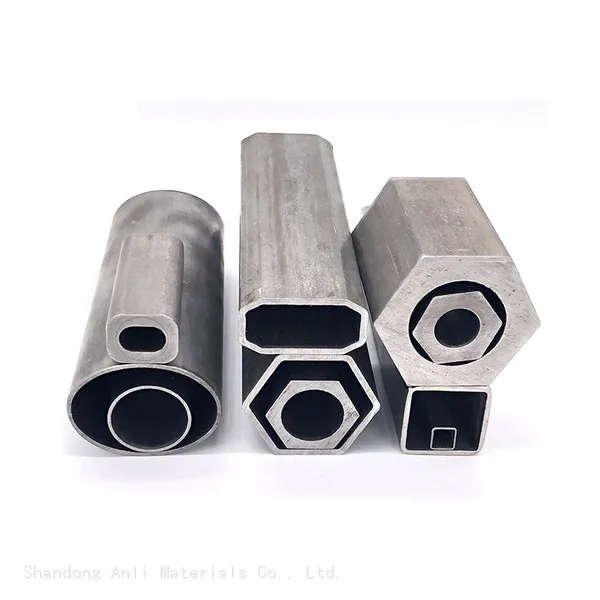
Cold Drawn Precision Steel Pipe Tight Tolerance for Pneumatic Hydraulic Cylinder ApplicationsUS$ 570 - 590MOQ: 10 Tons
-
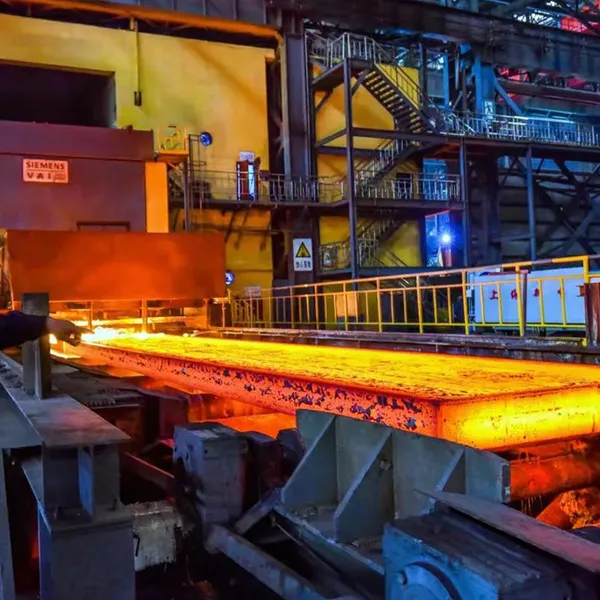
Hot Rolled Steel Plate ASTM A36 4143 S355 65Mn for Structural and Heavy Equipment ShipbuildingUS$ 420 - 445MOQ: 10 Tons
-
Precision Cold Rolled Steel Sheet SPCD DC03 for Fine Blanking and BendingUS$ 450 - 485MOQ: 10 Tons
-
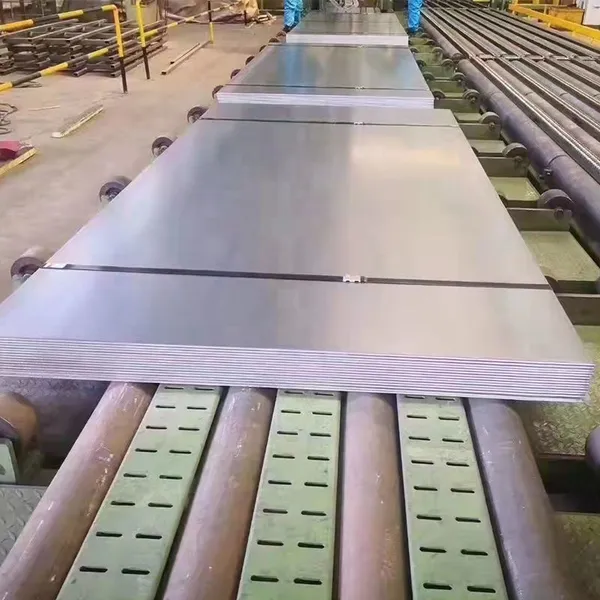
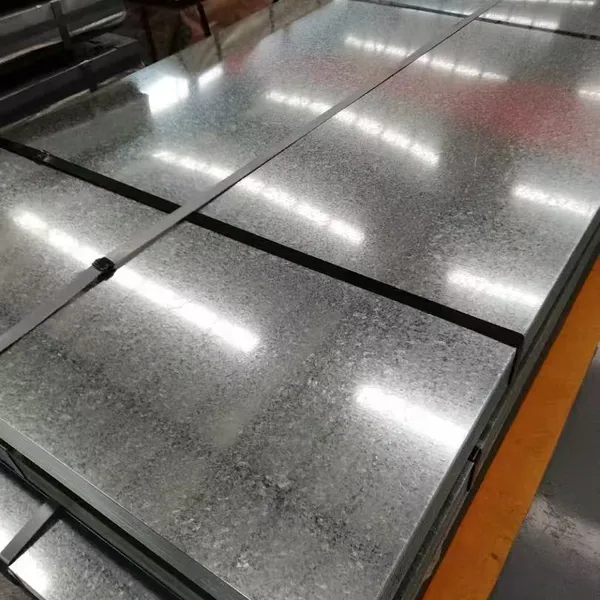
Hot Dip Galvanized Steel Sheet DX51D Z Custom Width and Thickness for Fabrication Roofing and Automotive PanelsUS$ 520 - 550MOQ: 10 Tons
-
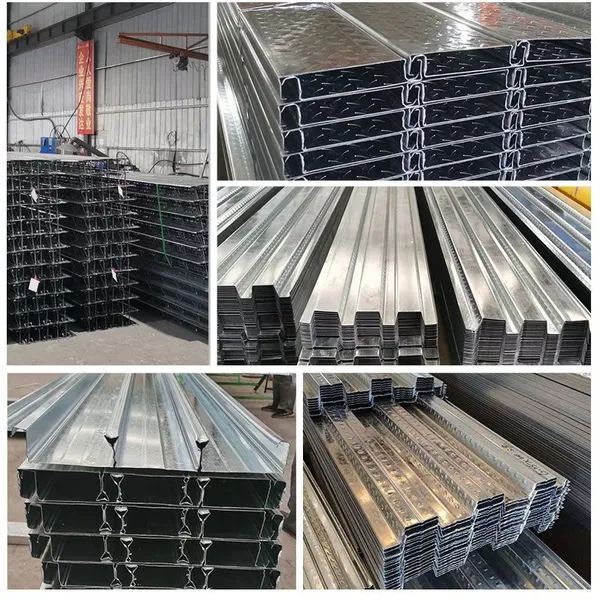
Galvanized Steel Decking is a Widely Used Type of Profiled Steel Sheet in Modern Steel Structure BuildingsUS$ 510 - 535MOQ: 10 Tons
-
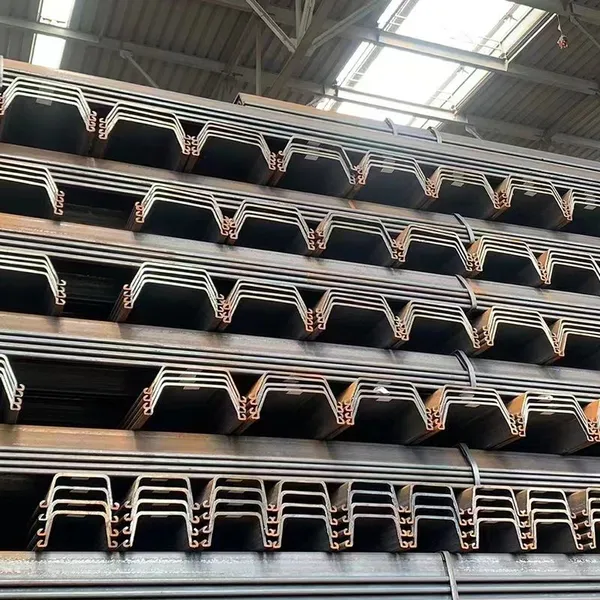
ASTM A572 Steel Sheet Pile U Type and Z Type for Cofferdam and Retaining WallUS$ 500 - 550MOQ: 10 Tons
-
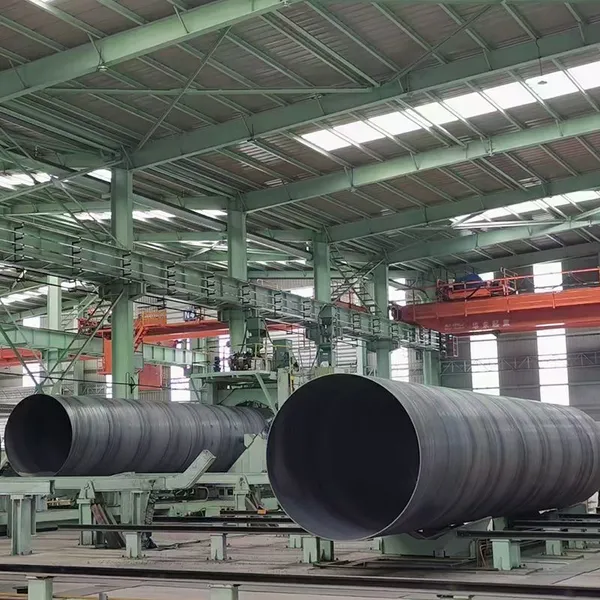
Spiral Welded Steel Pipe Large Diameter for Oil Pipeline and PilingUS$ 450 - 500MOQ: 10 Tons
-
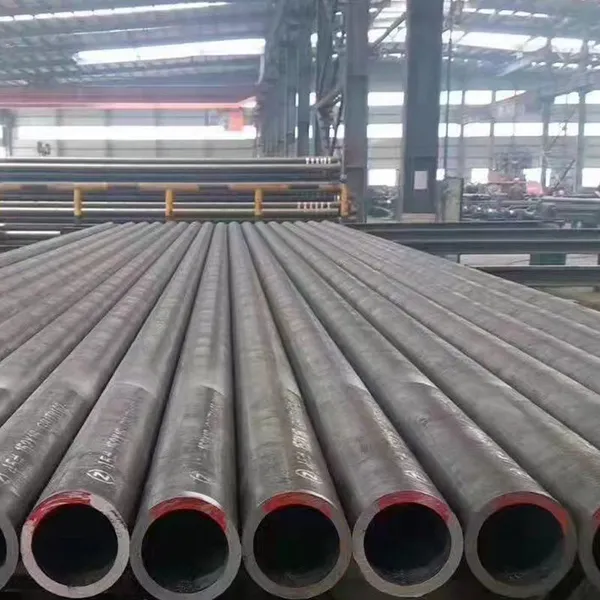
Hot Rolled Seamless Steel Pipe ASTM A106 Grade B for High Pressure ApplicationsUS$ 530 - 550MOQ: 10 Tons
-
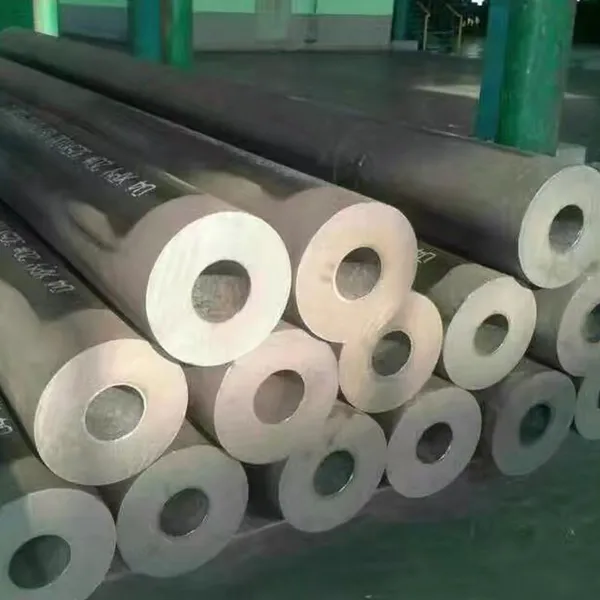
Alloy Steel Seamless Pipe for Boiler and Heat Exchanger High Temperature ServiceUS$ 530 - 550MOQ: 10 Tons
-
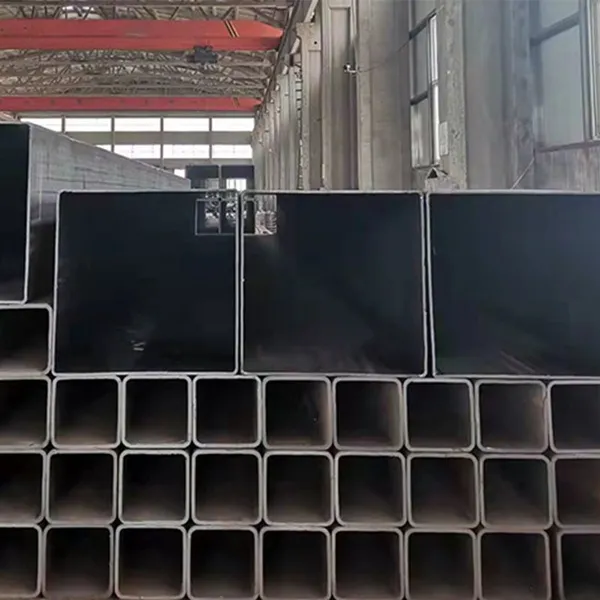
Welded Steel Pipe ASTM A53 Grade B for Construction Water and Gas TransmissionUS$ 450 - 500MOQ: 10 Tons
-
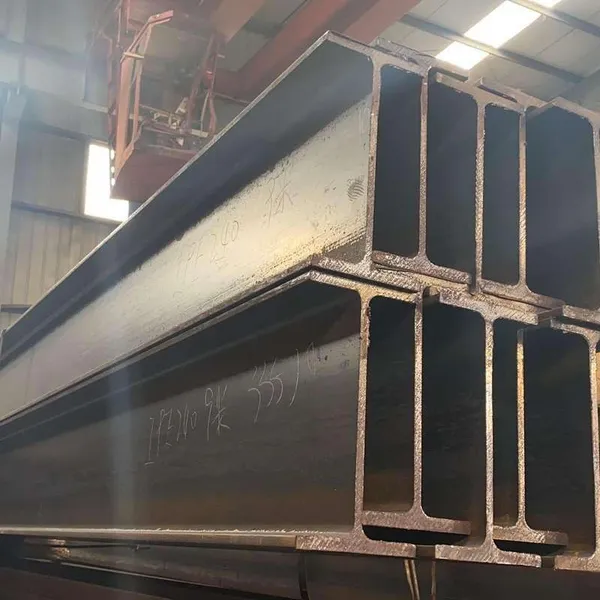
ASTM S235JR S355JR Hot Rolled H Beam Steel Structural Beam for Building Frame and Bridge ConstructionUS$ 420 - 440MOQ: 10 Tons
-
Prestressed Steel Wire PC Wire Indented Surface for Bridge and Beam ConstructionUS$ 530 - 550MOQ: 10 Tons
-
Hot Rolled Steel Wire RodSAE1006 Q195B 82B 5.5 8 12mm for Drawing and FormingUS$ 430 - 450MOQ: 10 Tons
-
ASTM A615 Grade 60 HRB400 500 Hot Rolled Deformed Steel Rebar for Concrete Reinforcement Construction GradeUS$ 400 - 430MOQ: 10 Tons
-
SAE1006 Q195 Gauge Hot Dipped Galvanized Wire Strong Tensile for Fencing Machinery and ConstructionUS$ 470 - 490MOQ: 10 Tons
-
High Carbon Spring Steel Wire ASTM A227 for Compression and Extension SpringsUS$ 560 - 580MOQ: 10 Tons