
 Business License
PPGI Coil: Production Process, Performance and Practical Applications
PPGI Coil: Production Process, Performance and Practical Applications
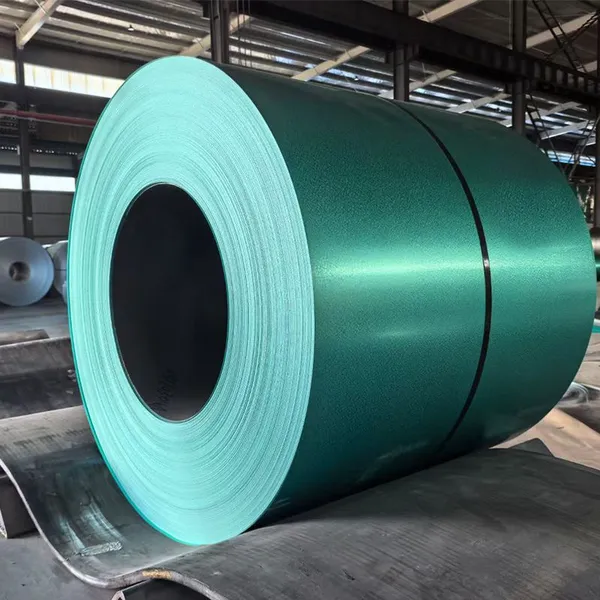
Prepainted galvanized steel coil, commonly known as PPGI, is widely used in modern construction and building decoration. Compared with untreated steel, PPGI combines the structural properties of a steel substrate with a protective and decorative coating, making it suitable for roofing, wall panels, interior decoration and other applications.
As demand for durable and visually attractive building materials continues to grow, PPGI production has also expanded from standard solid colours to customized wood grain, mesh and 2D/3D decorative patterns.
How Is PPGI Coil Produced?
The production of PPGI starts with a cold-rolled steel substrate. Before painting, the steel strip passes through cleaning and degreasing processes to remove oil, dust and surface contaminants. Surface treatment is then carried out to improve coating adhesion and corrosion resistance.
After pre-treatment, a primer is applied to create a stable base layer. The top coating is subsequently added to provide the required colour, surface appearance and additional protection.
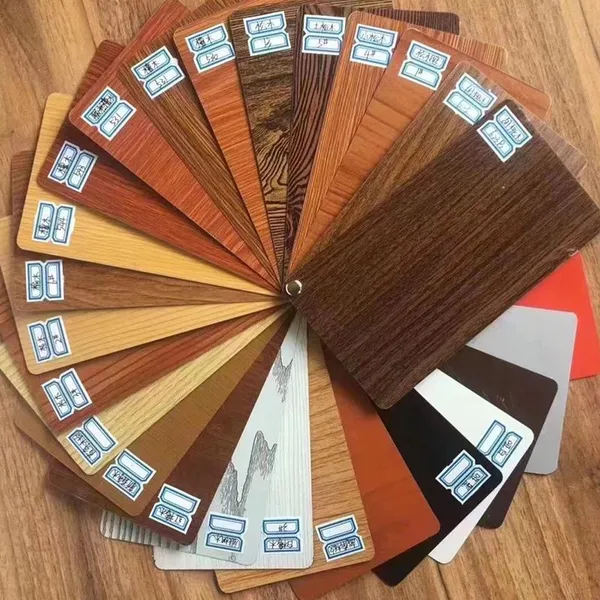
For wood grain PPGI, thermal transfer technology can be used to create decorative patterns on the coated steel surface. Heat and pressure transfer the selected pattern onto the metal, producing a wood-like appearance while maintaining the advantages of steel.
What Determines PPGI Performance?
The performance of PPGI depends not only on the steel substrate but also on the coating system and production process.
Common grades include DX51D, DX52D and DC51D. Depending on the application, products can be supplied with different coating structures and plating weights. Typical specifications include tensile strength of around 270–500 MPa and elongation of at least 20%.
For outdoor applications, corrosion resistance is particularly important. Galvanized or alloy-coated substrates combined with properly controlled paint layers can provide additional protection against moisture and environmental exposure.
Some customized products are also tested under neutral salt spray conditions, with specific products achieving more than 2,500 hours of testing without red rust under the stated test conditions.
Dimensions and Surface Design Options
PPGI production can cover a wide range of dimensions. Typical thicknesses range from 0.1 mm to 3 mm, while widths can be produced from narrow slit strips up to 2,500 mm, depending on equipment and order requirements.
The standard coil inner diameter is generally 508 mm. Slitting, customized coating weights and different edge finishes can also be arranged according to project requirements.
Colour selection is no longer limited to conventional solid colours. Mesh patterns, 2D wood grain and 3D wood grain designs allow PPGI to be used as both a functional construction material and a decorative surface material.
Where Is PPGI Used?
PPGI coils are commonly processed into roofing sheets, wall panels, cladding and other building components.
Solid-colour PPGI is frequently selected for factories, warehouses, commercial buildings and residential construction where weather resistance and consistent appearance are required.
Wood grain PPGI is used in applications where designers want a natural timber appearance but require a metal-based material. It can provide a similar visual effect while avoiding some of the maintenance requirements associated with natural wood.
The final material selection normally depends on several factors, including climate conditions, forming requirements, coating performance, appearance and project budget.
Production Standards and Supply
PPGI products can be manufactured according to standards such as GB/T 12754-2019, ASTM, JIS, DIN and BS, depending on the target market and application.
For export orders, suppliers may provide different coating weights, substrate grades, dimensions and surface patterns. Standard stock products can be prepared for shipment within a relatively short lead time, while customized colours, dimensions and printed patterns normally require additional production planning.
For bulk orders, the minimum quantity can start from around 10 tons, with specifications and packaging arranged according to the customer's requirements.
PPGI continues to be an important coated steel product for the construction industry because it combines steel strength, surface protection and decorative flexibility. With improvements in coating technology and pattern printing, PPGI is increasingly used not only for conventional roofing and wall systems but also for projects where appearance and material performance need to be considered together.
Recently Posted
-
Indented PC Wire for Prestressed Concrete: Production, Performance and Applications
September 23, 2026Indented PC Wire for Prestressed Concrete: Production, Performance and ApplicationsPrestressed concrete PC wire is widely used in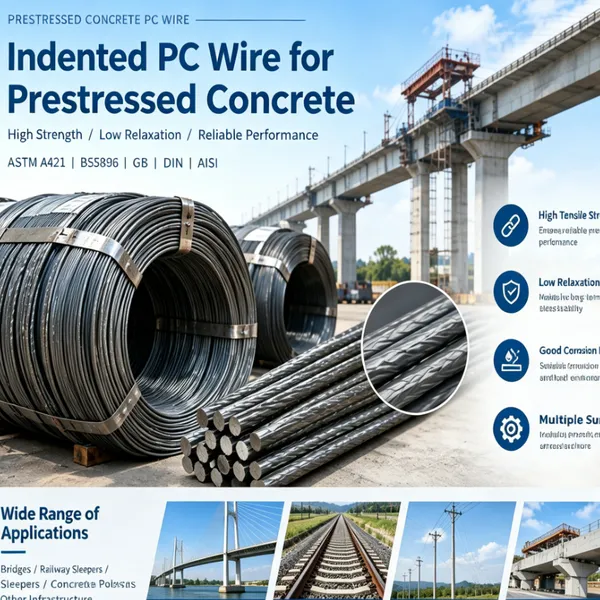 Read More
 -
18kg/m 55Q Light Mine Rail: Reliable Rail Solution for Underground Mining
September 22, 202618kg/m 55Q Light Mine Rail: Reliable Rail Solution for Underground MiningShandong Anli Materials supplies 18kg/m 55Q light mine ra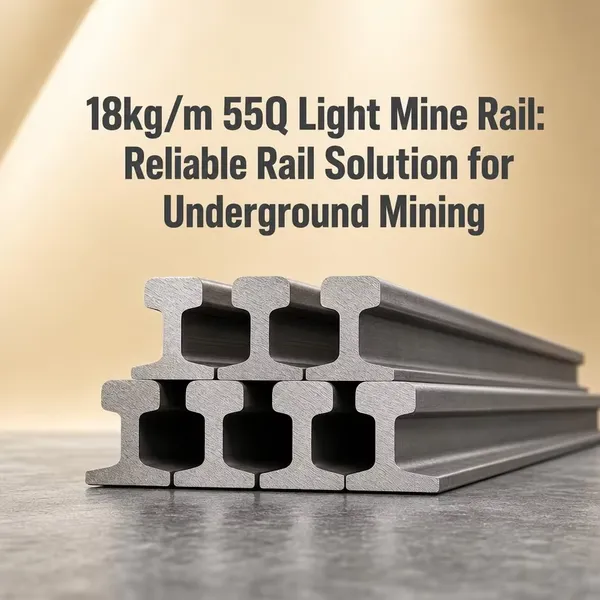 Read More
 -
Steel Railway Rail: Production, Specifications and Practical Application
September 21, 2026Steel Railway Rail: Production, Specifications and Practical ApplicationSteel railway rail serves as the core component for all tr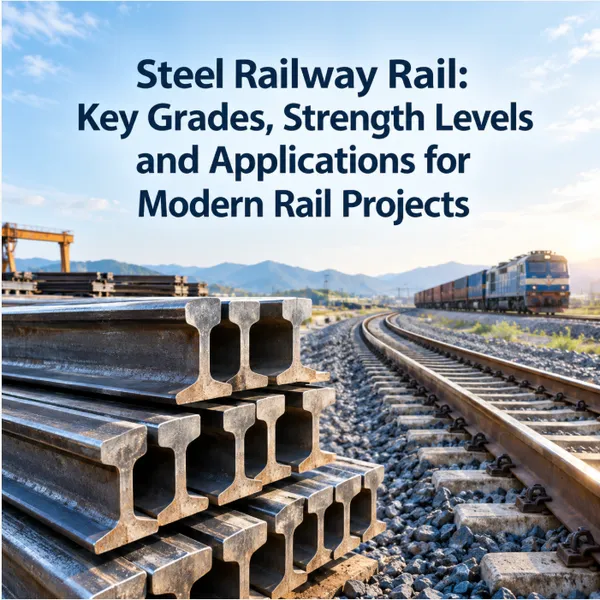 Read More
 -
Why Improper Annealing Ruins Cold-Rolled Steel Coil Performance?
September 20, 2026Why Improper Annealing Ruins Cold-Rolled Steel Coil Performance?With decades of experience in cold-rolled steel production and qua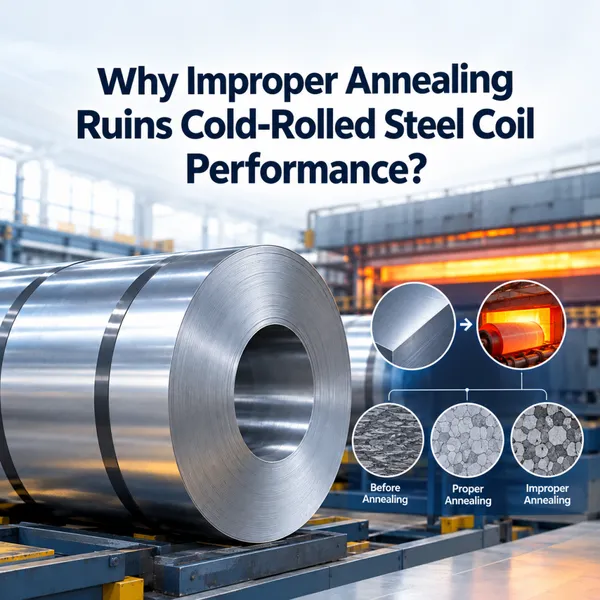 Read More

Contact Us
Recommended Products
-
 ASTM A36 Hot Rolled Steel Coil Carbon Steel Pickled and Oiled for Stamping and FormingUS$ 450 - 480MOQ: 10 Tons
 -
Cold Rolled Steel Coil SPCC DC01 for Deep Drawing and StampingUS$ 430 - 480MOQ: 10 Tons
-
Galvalume Steel Coil AZ150 ASTM A792 for Industrial Siding and HVAC SystemsUS$ 550 - 580MOQ: 10 Tons
-
Prepainted Galvanized Steel Coil Color Coated PPGI Coil for Roofing and Sandwich PanelsUS$ 480 - 520MOQ: 10 Tons
-
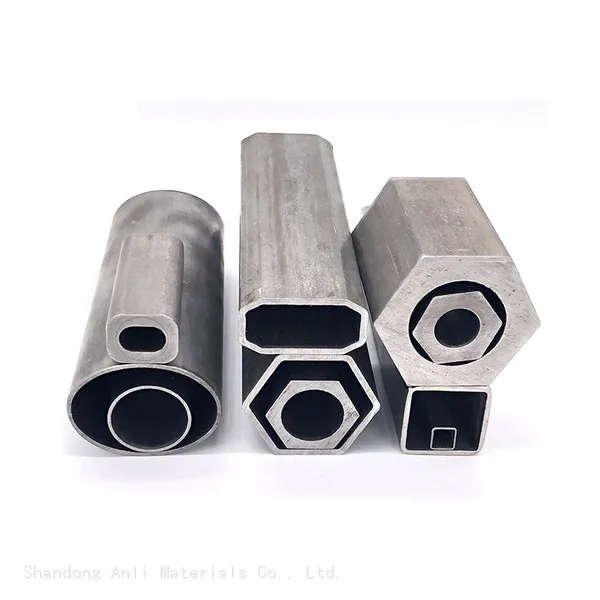
Cold Drawn Precision Steel Pipe Tight Tolerance for Pneumatic Hydraulic Cylinder ApplicationsUS$ 570 - 590MOQ: 10 Tons
-
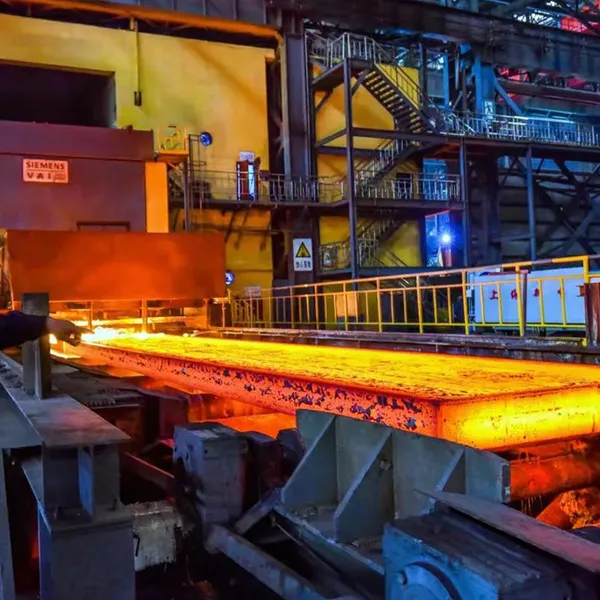
Hot Rolled Steel Plate ASTM A36 4143 S355 65Mn for Structural and Heavy Equipment ShipbuildingUS$ 420 - 445MOQ: 10 Tons
-
Precision Cold Rolled Steel Sheet SPCD DC03 for Fine Blanking and BendingUS$ 450 - 485MOQ: 10 Tons
-
Hot Dip Galvanized Steel Sheet DX51D Z Custom Width and Thickness for Fabrication Roofing and Automotive PanelsUS$ 520 - 550MOQ: 10 Tons
-
Galvanized Steel Decking is a Widely Used Type of Profiled Steel Sheet in Modern Steel Structure BuildingsUS$ 510 - 535MOQ: 10 Tons
-
ASTM A572 Steel Sheet Pile U Type and Z Type for Cofferdam and Retaining WallUS$ 500 - 550MOQ: 10 Tons
-
Spiral Welded Steel Pipe Large Diameter for Oil Pipeline and PilingUS$ 450 - 500MOQ: 10 Tons
-
Hot Rolled Seamless Steel Pipe ASTM A106 Grade B for High Pressure ApplicationsUS$ 530 - 550MOQ: 10 Tons
-
Alloy Steel Seamless Pipe for Boiler and Heat Exchanger High Temperature ServiceUS$ 530 - 550MOQ: 10 Tons
-
Welded Steel Pipe ASTM A53 Grade B for Construction Water and Gas TransmissionUS$ 450 - 500MOQ: 10 Tons
-
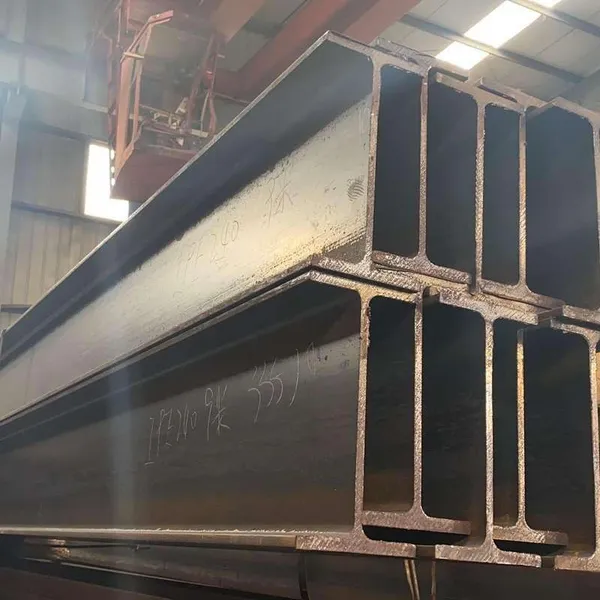
ASTM S235JR S355JR Hot Rolled H Beam Steel Structural Beam for Building Frame and Bridge ConstructionUS$ 420 - 440MOQ: 10 Tons
-
Prestressed Steel Wire PC Wire Indented Surface for Bridge and Beam ConstructionUS$ 530 - 550MOQ: 10 Tons
-
Hot Rolled Steel Wire RodSAE1006 Q195B 82B 5.5 8 12mm for Drawing and FormingUS$ 430 - 450MOQ: 10 Tons
-
ASTM A615 Grade 60 HRB400 500 Hot Rolled Deformed Steel Rebar for Concrete Reinforcement Construction GradeUS$ 400 - 430MOQ: 10 Tons
-
SAE1006 Q195 Gauge Hot Dipped Galvanized Wire Strong Tensile for Fencing Machinery and ConstructionUS$ 470 - 490MOQ: 10 Tons
-
High Carbon Spring Steel Wire ASTM A227 for Compression and Extension SpringsUS$ 560 - 580MOQ: 10 Tons