
 Business License

Why Improper Annealing Ruins Cold-Rolled Steel Coil Performance?
Why Improper Annealing Ruins Cold-Rolled Steel Coil Performance?
With decades of experience in cold-rolled steel production and quality inspection, we frequently encounter typical customer doubts. Many buyers ask: “Our cold-rolled steel coils have standard thickness and qualified chemical composition, so why do they still suffer from hard brittleness, uneven hardness and poor bending performance?” Some processing factories also complain: “Why do batches of coils crack randomly during deep drawing even with the same steel grade?” Today we will discuss the decisive role of annealing technology in cold-rolled steel coil quality and reveal easily ignored industrial blind spots.
Most purchasers only focus on intuitive surface indicators when inspecting cold-rolled steel coils, including smooth surface, uniform thickness and no obvious defects. They believe that visually qualified coils are fully suitable for deep processing. In fact, the core performance difference of cold-rolled steel coils does not lie in external appearance, but in the internal grain structure, residual stress release and uniform hardness formed by annealing. Improper annealing is the invisible culprit behind processing cracking, unstable stamping and short service life, and it is also the most difficult quality problem to detect in advance.
Why Is Annealing the Core Process of Cold-Rolled Steel Coils?
Cold rolling is a cold deformation process that causes severe work hardening inside the steel. Through numerous production tests and project verifications, we have summarized three key reasons why annealing determines the final performance of cold-rolled coils.
1. Unreasonable Temperature Control Causes Uneven Hardness
Standard annealing processes require constant and stable temperature holding and gradual cooling to ensure uniform internal grain recrystallization. Many small factories adopt rapid heating and quick cooling to improve production efficiency. For large steel coil surfaces, the temperature difference is not obvious, so the surface seems normal.
However, the coil core and edge parts heat unevenly, resulting in inconsistent internal hardness. Test data shows that unannealed or poorly annealed cold-rolled coils have a hardness difference more than twice that of qualified products. Local over-hard areas will produce brittle fracture during bending and stamping, while soft areas are prone to deformation, causing unstable batch processing quality.
2. Inadequate Heat Preservation Leaves Massive Residual Stress
Cold rolling will produce huge internal residual stress inside the steel plate. The core purpose of annealing is to release stress thoroughly. If the heat preservation time is insufficient or the temperature curve does not meet the standard, a large amount of residual stress will remain inside the coil.
Coils with residual stress look completely normal after leaving the factory. But after cutting, bending, welding and other processing procedures, the stress will be released suddenly, resulting in plate torsion, edge warping and part deformation. Many finished product deformation problems that cannot be solved by post-processing are ultimately caused by unqualified annealing stress relief.
3. Unstable Recrystallization Affects Deep Drawing Performance
High-quality cold-rolled coils for home appliances and automotive parts require excellent deep drawing ductility, which depends entirely on uniform grain recrystallization after annealing. Improper annealing parameters will lead to mixed grain sizes, coarse grains or incomplete recrystallization.
Coils with unqualified grain structure have poor ductility and toughness. During deep drawing molding, they are extremely prone to linear cracking, edge tearing and surface wrinkling. Such hidden defects cannot be detected by simple surface inspection, and often lead to batch scrappage after customers start mass production.
Most Processing Defects Originate From Simplified Annealing Procedures
At present, most procurement standards only detect conventional indicators such as thickness, width and steel composition, but ignore the core hidden indicators of annealing uniformity, residual stress value and grain fineness. This is the fundamental reason for uneven quality of cold-rolled steel coils in the market.
Many manufacturers simplify annealing procedures to save costs and shorten production cycles. Although the finished coils can meet basic appearance and size standards, their internal mechanical properties are extremely unstable. Experienced processing engineers know that surface qualification is far from enough. Only fully annealed coils can adapt to complex deep processing scenarios.
The standardized annealing process is time-consuming and energy-intensive, and is the most easily cut-link procedure in the industry. However, it is precisely this key process that determines whether the cold-rolled steel coil can achieve stable bending, flawless stamping and long-term structural stability.
Cold-Rolled Steel Quality Depends On Internal Craftsmanship
Many customers misunderstand that steel grade determines processing performance. In fact, the same DC01, DC03, SPCC and SPCD cold-rolled coils show huge performance differences due to different annealing processes.
Poor annealing quality will not only cause processing failure, but also reduce the coil’s anti-corrosion coordination ability. Unstable internal structure leads to poor coating adhesion, making the paint layer prone to peeling and blistering in later use. Simple surface repairing cannot solve the fundamental problem of internal performance defects.
High-quality cold-rolled steel coils strictly follow standardized annealing curves, with precise temperature control, sufficient heat preservation and slow cooling treatment. Thorough stress release and uniform grain recrystallization ensure stable hardness, excellent ductility and consistent batch performance. Whether for automotive outer panels, refrigerator shells or precision hardware components, qualified annealing technology is the core guarantee for product yield and long-term service life.
Recently Posted
-
PPGI Coil: Production Process, Performance and Practical Applications
September 24, 2026PPGI Coil: Production Process, Performance and Practical ApplicationsPrepainted galvanized steel coil, commonly known as PPGI, is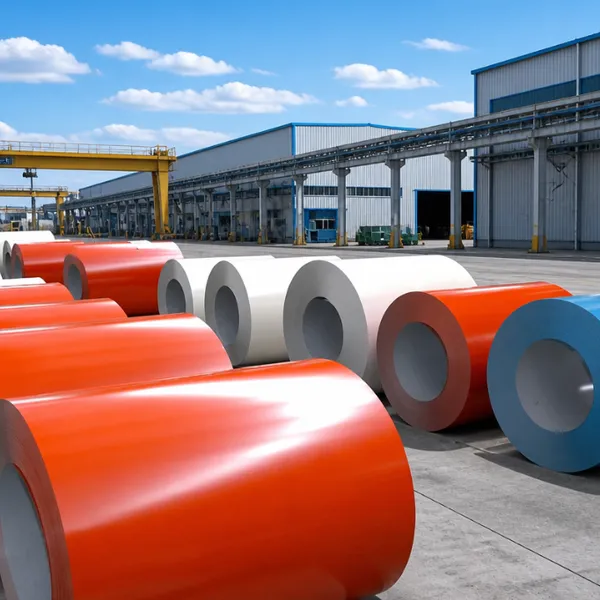 Read More
 -
Indented PC Wire for Prestressed Concrete: Production, Performance and Applications
September 23, 2026Indented PC Wire for Prestressed Concrete: Production, Performance and ApplicationsPrestressed concrete PC wire is widely used in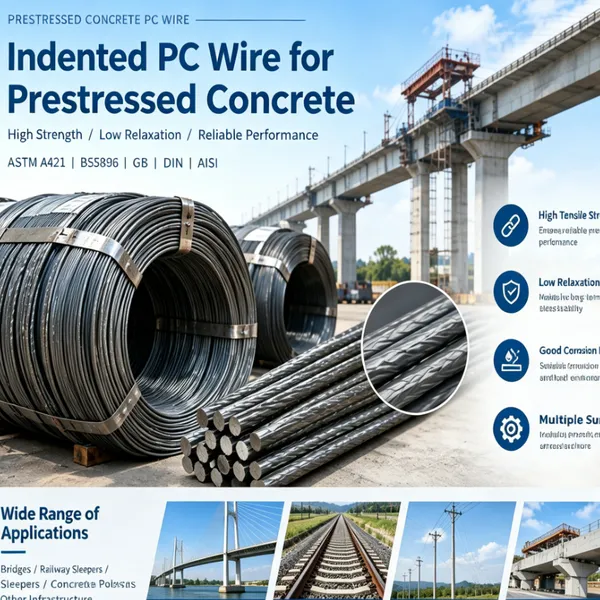 Read More
 -
18kg/m 55Q Light Mine Rail: Reliable Rail Solution for Underground Mining
September 22, 202618kg/m 55Q Light Mine Rail: Reliable Rail Solution for Underground MiningShandong Anli Materials supplies 18kg/m 55Q light mine ra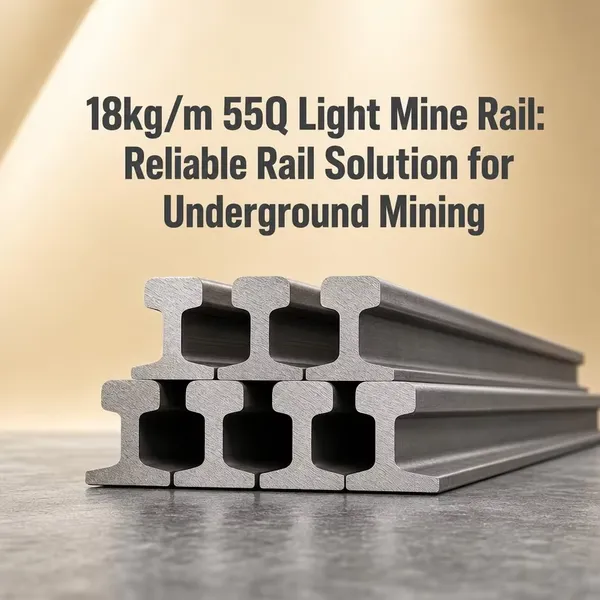 Read More
 -
Steel Railway Rail: Production, Specifications and Practical Application
September 21, 2026Steel Railway Rail: Production, Specifications and Practical ApplicationSteel railway rail serves as the core component for all tr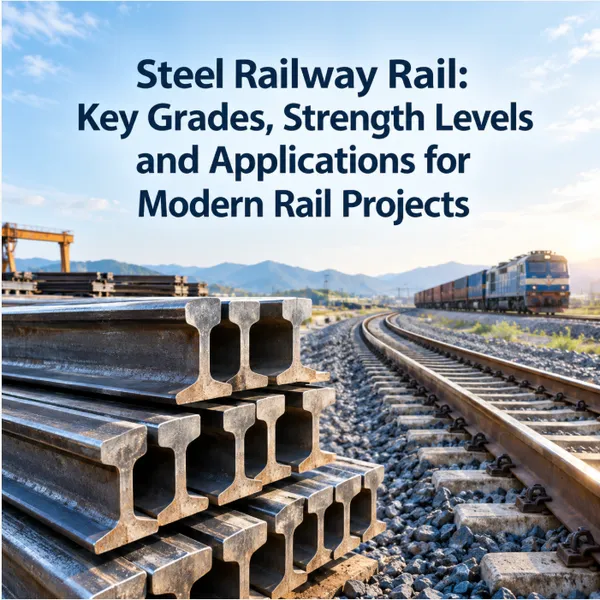 Read More

Contact Us
Recommended Products
-
 ASTM A36 Hot Rolled Steel Coil Carbon Steel Pickled and Oiled for Stamping and FormingUS$ 450 - 480MOQ: 10 Tons
 -
Cold Rolled Steel Coil SPCC DC01 for Deep Drawing and StampingUS$ 430 - 480MOQ: 10 Tons
-
Galvalume Steel Coil AZ150 ASTM A792 for Industrial Siding and HVAC SystemsUS$ 550 - 580MOQ: 10 Tons
-
Prepainted Galvanized Steel Coil Color Coated PPGI Coil for Roofing and Sandwich PanelsUS$ 480 - 520MOQ: 10 Tons
-
Cold Drawn Precision Steel Pipe Tight Tolerance for Pneumatic Hydraulic Cylinder ApplicationsUS$ 570 - 590MOQ: 10 Tons
-
Hot Rolled Steel Plate ASTM A36 4143 S355 65Mn for Structural and Heavy Equipment ShipbuildingUS$ 420 - 445MOQ: 10 Tons
-
Precision Cold Rolled Steel Sheet SPCD DC03 for Fine Blanking and BendingUS$ 450 - 485MOQ: 10 Tons
-
Hot Dip Galvanized Steel Sheet DX51D Z Custom Width and Thickness for Fabrication Roofing and Automotive PanelsUS$ 520 - 550MOQ: 10 Tons
-
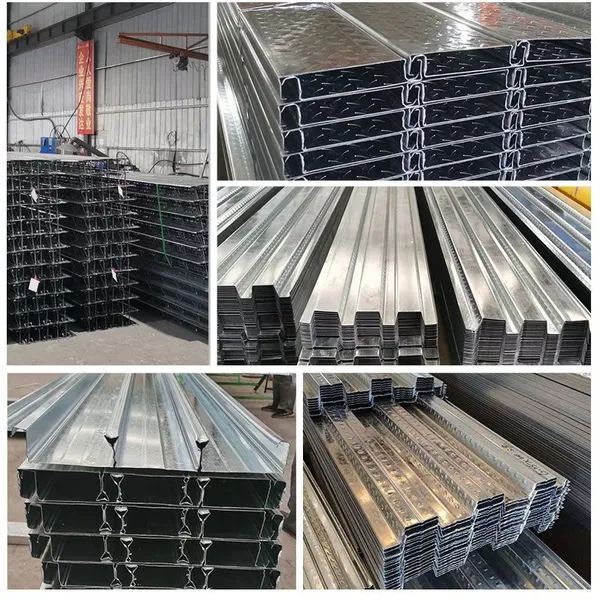
Galvanized Steel Decking is a Widely Used Type of Profiled Steel Sheet in Modern Steel Structure BuildingsUS$ 510 - 535MOQ: 10 Tons
-
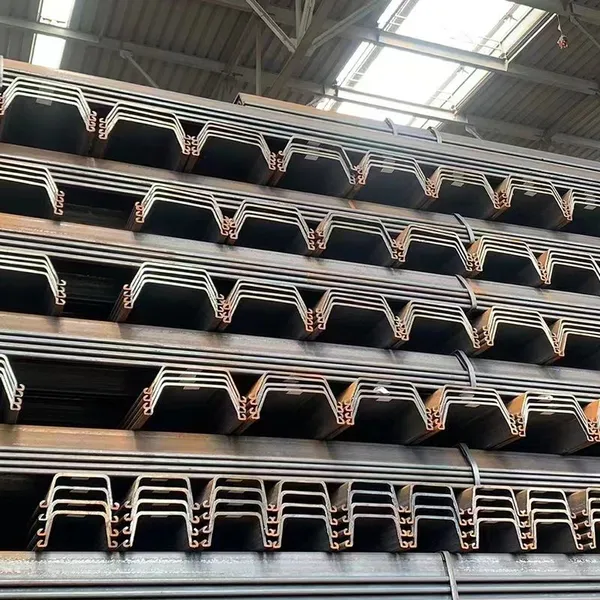
ASTM A572 Steel Sheet Pile U Type and Z Type for Cofferdam and Retaining WallUS$ 500 - 550MOQ: 10 Tons
-
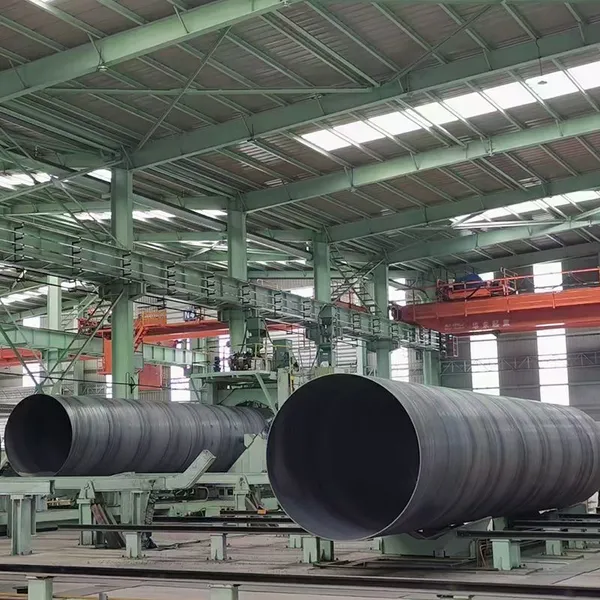
Spiral Welded Steel Pipe Large Diameter for Oil Pipeline and PilingUS$ 450 - 500MOQ: 10 Tons
-
Hot Rolled Seamless Steel Pipe ASTM A106 Grade B for High Pressure ApplicationsUS$ 530 - 550MOQ: 10 Tons
-
Alloy Steel Seamless Pipe for Boiler and Heat Exchanger High Temperature ServiceUS$ 530 - 550MOQ: 10 Tons
-
Welded Steel Pipe ASTM A53 Grade B for Construction Water and Gas TransmissionUS$ 450 - 500MOQ: 10 Tons
-
ASTM S235JR S355JR Hot Rolled H Beam Steel Structural Beam for Building Frame and Bridge ConstructionUS$ 420 - 440MOQ: 10 Tons
-
Prestressed Steel Wire PC Wire Indented Surface for Bridge and Beam ConstructionUS$ 530 - 550MOQ: 10 Tons
-
Hot Rolled Steel Wire RodSAE1006 Q195B 82B 5.5 8 12mm for Drawing and FormingUS$ 430 - 450MOQ: 10 Tons
-
ASTM A615 Grade 60 HRB400 500 Hot Rolled Deformed Steel Rebar for Concrete Reinforcement Construction GradeUS$ 400 - 430MOQ: 10 Tons
-
SAE1006 Q195 Gauge Hot Dipped Galvanized Wire Strong Tensile for Fencing Machinery and ConstructionUS$ 470 - 490MOQ: 10 Tons
-
High Carbon Spring Steel Wire ASTM A227 for Compression and Extension SpringsUS$ 560 - 580MOQ: 10 Tons