
 Business License
Why Is Carbon Steel Wire Rod Widely Used in Wire Drawing and Fastener Production?
Why Is Carbon Steel Wire Rod Widely Used in Wire Drawing and Fastener Production?
Carbon steel wire rod is a common starting material for many everyday metal products. From screws and nails to fencing wire and wire rope, a wide range of products begin with hot rolled wire rod before further processing.
Its combination of consistent composition, suitable strength and good processing performance makes it a practical choice for wire drawing and forming applications.
From Steel Billet to Wire Rod Coil
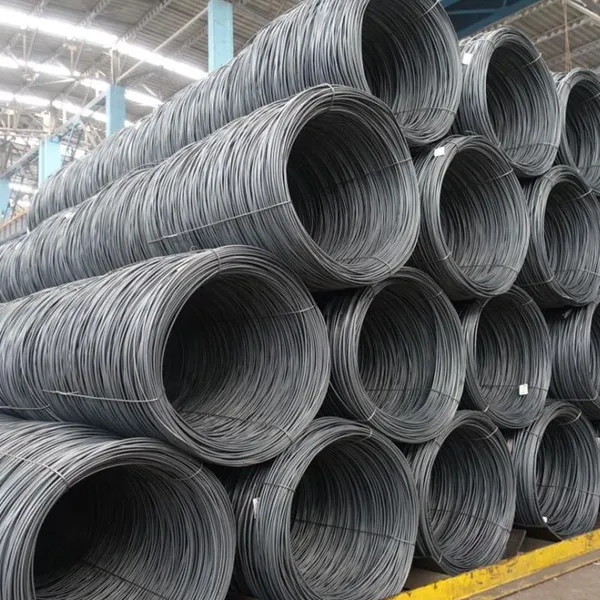
Wire rod is produced by heating steel billets and continuously hot rolling them into round sections. The finished material is wound into coils for easier storage, transportation and downstream processing.
During production, the contents of carbon, silicon, manganese, phosphorus and sulphur are controlled to maintain stable material properties. Common grades include SAE1008, Q195 and Q235, while SWRH42B, SWRH62B and SWRH82B are also available for different strength requirements.
Processing Performance Matters
Wire rod is usually not the final product. Its main role is to provide a stable starting material for the next manufacturing process.
During cold drawing, forming or other operations, consistent mechanical properties help the material deform evenly and reduce the risk of cracking or unstable processing. Typical diameters range from 5.5 mm to 20 mm, with coil weights of around 500–5000 kg.
From Fasteners to Construction Wire
The final application depends on the steel grade and subsequent processing. Low and medium carbon wire rod is commonly drawn into wire for screws, nails, binding wire, fencing mesh, packaging wire and wire rope.
For some applications, the material can also undergo forging or heat treatment before being used for mechanical components and construction-related products.
Standards and Production Control
For international supply, wire rod can be produced according to GB, ASTM, JIS, DIN, BS and AISI requirements. Chemical composition and mechanical properties are checked during production, while inspection reports and test certificates can be provided with shipments.
Standard diameters are available for regular orders, and customized sizes can be discussed according to downstream processing requirements. Minimum order quantity starts from 5 tons.
Recently Posted
-
How Does Hot Dip Galvanizing Protect Steel from Rust?
September 29, 2026How Does Hot Dip Galvanizing Protect Steel from Rust?Steel is strong and widely used, but one problem is difficult to avoid: rust. Read More
 -
PPGI Coil: Production Process, Performance and Practical Applications
September 24, 2026PPGI Coil: Production Process, Performance and Practical ApplicationsPrepainted galvanized steel coil, commonly known as PPGI, is Read More
 -
Indented PC Wire for Prestressed Concrete: Production, Performance and Applications
September 23, 2026Indented PC Wire for Prestressed Concrete: Production, Performance and ApplicationsPrestressed concrete PC wire is widely used in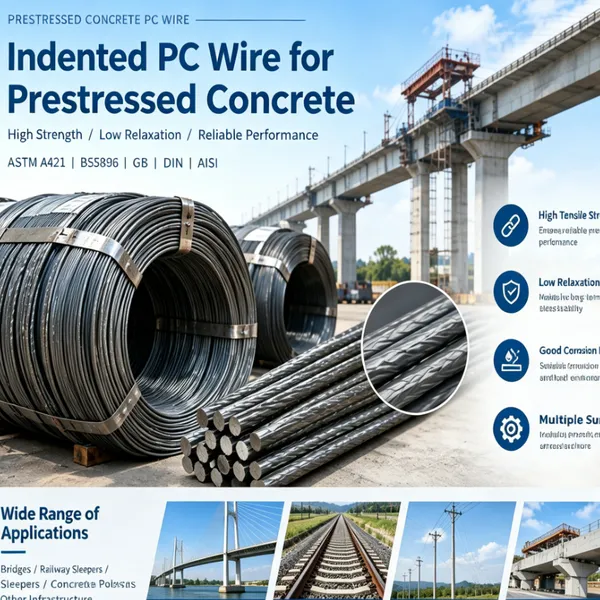 Read More
 -
18kg/m 55Q Light Mine Rail: Reliable Rail Solution for Underground Mining
September 22, 202618kg/m 55Q Light Mine Rail: Reliable Rail Solution for Underground MiningShandong Anli Materials supplies 18kg/m 55Q light mine ra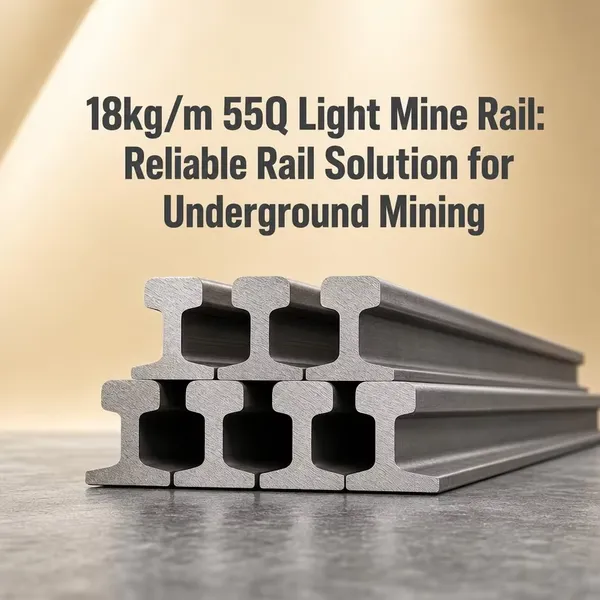 Read More

Contact Us
Recommended Products
-
 ASTM A36 Hot Rolled Steel Coil Carbon Steel Pickled and Oiled for Stamping and FormingUS$ 450 - 480MOQ: 10 Tons
 -
Cold Rolled Steel Coil SPCC DC01 for Deep Drawing and StampingUS$ 430 - 480MOQ: 10 Tons
-
Galvalume Steel Coil AZ150 ASTM A792 for Industrial Siding and HVAC SystemsUS$ 550 - 580MOQ: 10 Tons
-
Prepainted Galvanized Steel Coil Color Coated PPGI Coil for Roofing and Sandwich PanelsUS$ 480 - 520MOQ: 10 Tons
-
Cold Drawn Precision Steel Pipe Tight Tolerance for Pneumatic Hydraulic Cylinder ApplicationsUS$ 570 - 590MOQ: 10 Tons
-
Hot Rolled Steel Plate ASTM A36 4143 S355 65Mn for Structural and Heavy Equipment ShipbuildingUS$ 420 - 445MOQ: 10 Tons
-
Precision Cold Rolled Steel Sheet SPCD DC03 for Fine Blanking and BendingUS$ 450 - 485MOQ: 10 Tons
-
Hot Dip Galvanized Steel Sheet DX51D Z Custom Width and Thickness for Fabrication Roofing and Automotive PanelsUS$ 520 - 550MOQ: 10 Tons
-
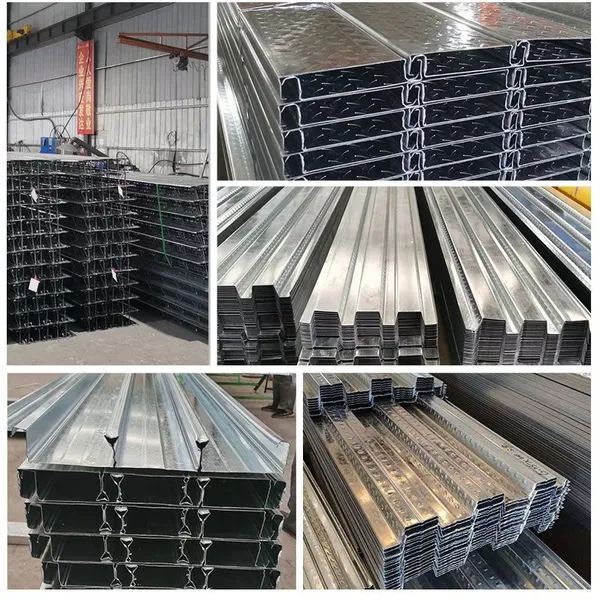
Galvanized Steel Decking is a Widely Used Type of Profiled Steel Sheet in Modern Steel Structure BuildingsUS$ 510 - 535MOQ: 10 Tons
-
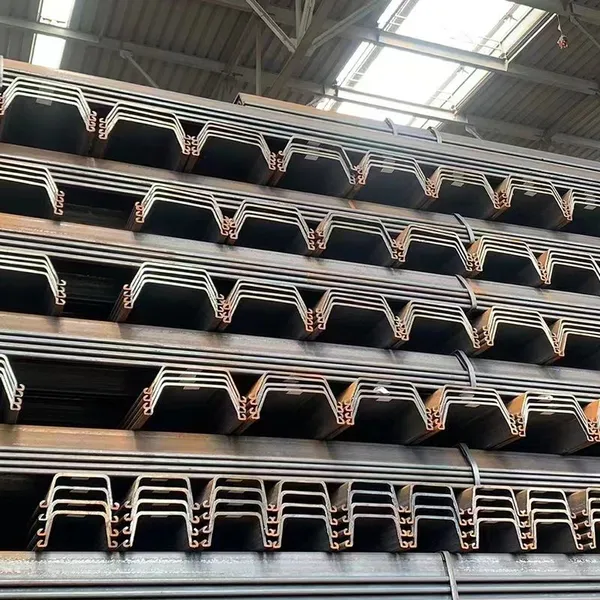
ASTM A572 Steel Sheet Pile U Type and Z Type for Cofferdam and Retaining WallUS$ 500 - 550MOQ: 10 Tons
-
Spiral Welded Steel Pipe Large Diameter for Oil Pipeline and PilingUS$ 450 - 500MOQ: 10 Tons
-
Hot Rolled Seamless Steel Pipe ASTM A106 Grade B for High Pressure ApplicationsUS$ 530 - 550MOQ: 10 Tons
-
Alloy Steel Seamless Pipe for Boiler and Heat Exchanger High Temperature ServiceUS$ 530 - 550MOQ: 10 Tons
-
Welded Steel Pipe ASTM A53 Grade B for Construction Water and Gas TransmissionUS$ 450 - 500MOQ: 10 Tons
-
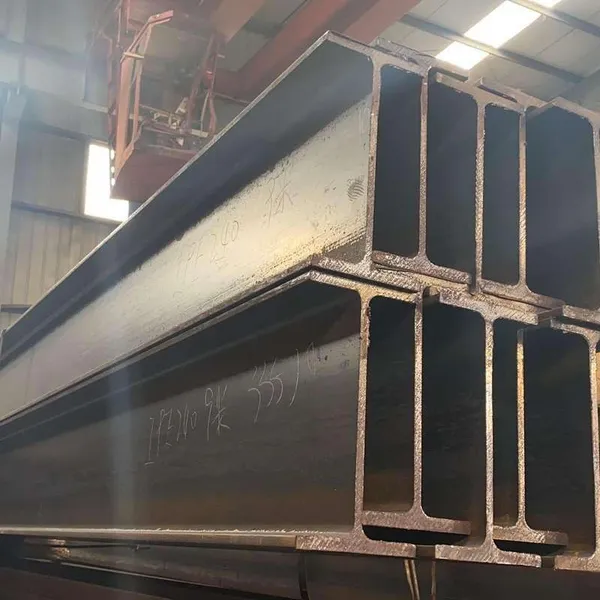
ASTM S235JR S355JR Hot Rolled H Beam Steel Structural Beam for Building Frame and Bridge ConstructionUS$ 420 - 440MOQ: 10 Tons
-
Prestressed Steel Wire PC Wire Indented Surface for Bridge and Beam ConstructionUS$ 530 - 550MOQ: 10 Tons
-
Hot Rolled Steel Wire RodSAE1006 Q195B 82B 5.5 8 12mm for Drawing and FormingUS$ 430 - 450MOQ: 10 Tons
-
ASTM A615 Grade 60 HRB400 500 Hot Rolled Deformed Steel Rebar for Concrete Reinforcement Construction GradeUS$ 400 - 430MOQ: 10 Tons
-
SAE1006 Q195 Gauge Hot Dipped Galvanized Wire Strong Tensile for Fencing Machinery and ConstructionUS$ 470 - 490MOQ: 10 Tons
-
High Carbon Spring Steel Wire ASTM A227 for Compression and Extension SpringsUS$ 560 - 580MOQ: 10 Tons