
 Business License
How Does Hot Dip Galvanizing Protect Steel from Rust?
How Does Hot Dip Galvanizing Protect Steel from Rust?
Steel is strong and widely used, but one problem is difficult to avoid: rust.
So how does galvanized steel stay protected when it is exposed to moisture and air?
The answer is the zinc coating. During hot-dip galvanizing, the steel strip passes through a molten zinc bath. After cooling, a protective zinc layer forms on the surface. This layer helps keep moisture and oxygen away from the steel while also providing additional protection when the surface is exposed to minor damage.
Why Does Zinc Help Protect Steel?
The zinc layer does more than simply cover the steel surface.
When steel is exposed directly to water and oxygen, corrosion can gradually develop. Zinc acts as a protective barrier between the steel and its surrounding environment.
It also provides cathodic protection. If a small area of the coated surface is damaged, the zinc can help protect the exposed steel rather than allowing corrosion to spread immediately from the damaged point.
This is one reason galvanized steel is widely used for construction and outdoor applications.
Does a Thicker Zinc Coating Mean Better Protection?
Generally, a heavier zinc coating provides greater resistance to corrosive environments, but the right coating depends on the actual application.
Common coating options include 40 g/m², 100 g/m² and 275 g/m².
For projects with relatively mild exposure, a lighter coating may be sufficient. More demanding outdoor or industrial environments may require a heavier coating.
The important point is not simply choosing the largest number. Project location, expected service conditions, forming requirements and cost should all be considered together.
What Are the Different Spangle Patterns?
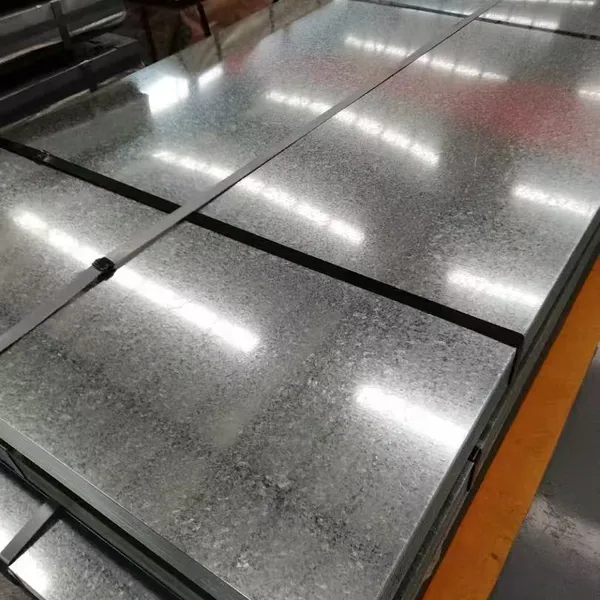
If you look closely at galvanized steel, you may notice a crystal-like pattern on the surface. This is called spangle.
Different production requirements can result in:
Zero spangle
Small spangle
Regular spangle
Large spangle
Zero-spangle galvanized steel has little or no visibly recognizable crystal pattern, giving the surface a more uniform appearance. It can be considered for applications where surface appearance is important.
Regular and larger spangle surfaces are also widely used for general construction and industrial purposes.
In other words, spangle is not simply a decoration. It is also related to how the zinc coating solidifies during production.
Can Galvanized Steel Coil Be Formed After Production?
Yes. One reason galvanized steel coil is widely used is its good processing performance.
Depending on the selected grade, galvanized steel can be bent, formed, cut and processed for different applications.
Grades such as DX51D+Z, DX52D+Z, DX53D+Z and SGCC are commonly available for different forming and engineering requirements.
For example, a coil may be processed into roofing components, wall panels, structural parts or equipment components after delivery.
The grade should therefore be selected according to the final processing method rather than simply based on the steel thickness.
Where Is Galvanized Steel Coil Used?
Galvanized steel coil appears in many everyday products and structures.
In construction, it is used for roofing, wall systems, structural components and building enclosures.
It is also used in automotive components, home appliances, containers, transportation equipment and storage systems.
The common reason is simple: manufacturers need a material that combines the basic strength of steel with better resistance to surface corrosion.
What Should Buyers Check Before Ordering?
Before purchasing galvanized steel coil, several points are worth checking.
First, confirm the steel grade. Different grades have different forming characteristics.
Second, check the zinc coating. A 40 g/m² coating and a 275 g/m² coating are intended for different requirements.
Third, consider the surface. Zero, small, regular and large spangle options can be selected according to the final application.
Finally, confirm the dimensions and standards. Thickness, width, edge condition and applicable standards should match the downstream processing equipment and project requirements.
A Practical Choice for Long-Term Steel Applications
Hot-dip galvanized steel coil is not simply ordinary steel with a shiny surface. Its zinc coating provides an additional layer of protection that helps steel perform in environments where moisture and corrosion are concerns.
For different projects, buyers can select suitable steel grades, zinc coating weights, spangle patterns, thicknesses and widths according to actual requirements.
ANLI supplies hot-dip galvanized steel coils in standard and customized sizes, with grades including DX51D+Z, DX52D+Z, DX53D+Z and SGCC. Products can be supplied according to ASTM, JIS, GB, EN and other applicable standards, with export packaging and supporting quality documents available for overseas orders.
Recently Posted
-
Why Is Carbon Steel Wire Rod Widely Used in Wire Drawing and Fastener Production?
September 28, 2026Why Is Carbon Steel Wire Rod Widely Used in Wire Drawing and Fastener Production?Carbon steel wire rod is a common starting materi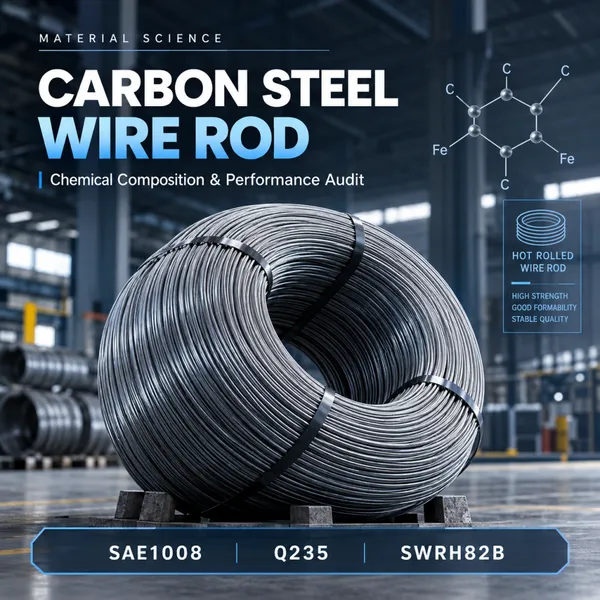 Read More
 -
PPGI Coil: Production Process, Performance and Practical Applications
September 24, 2026PPGI Coil: Production Process, Performance and Practical ApplicationsPrepainted galvanized steel coil, commonly known as PPGI, is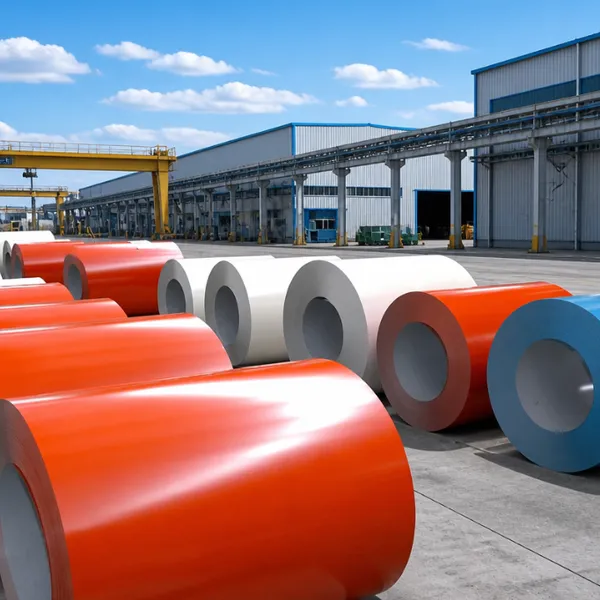 Read More
 -
Indented PC Wire for Prestressed Concrete: Production, Performance and Applications
September 23, 2026Indented PC Wire for Prestressed Concrete: Production, Performance and ApplicationsPrestressed concrete PC wire is widely used in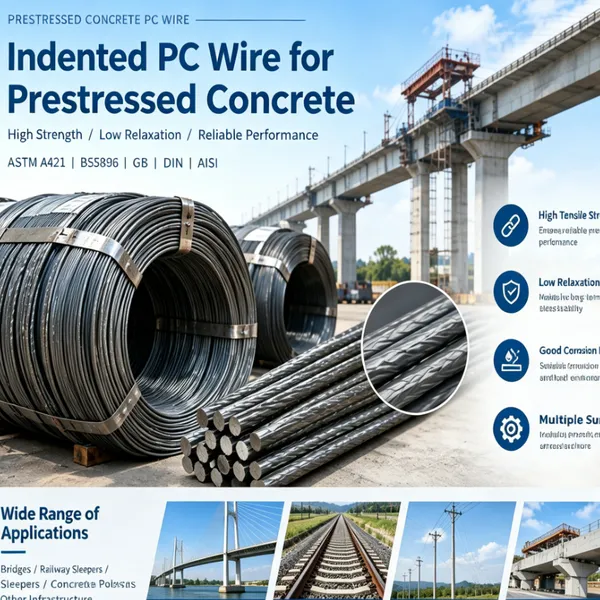 Read More
 -
18kg/m 55Q Light Mine Rail: Reliable Rail Solution for Underground Mining
September 22, 202618kg/m 55Q Light Mine Rail: Reliable Rail Solution for Underground MiningShandong Anli Materials supplies 18kg/m 55Q light mine ra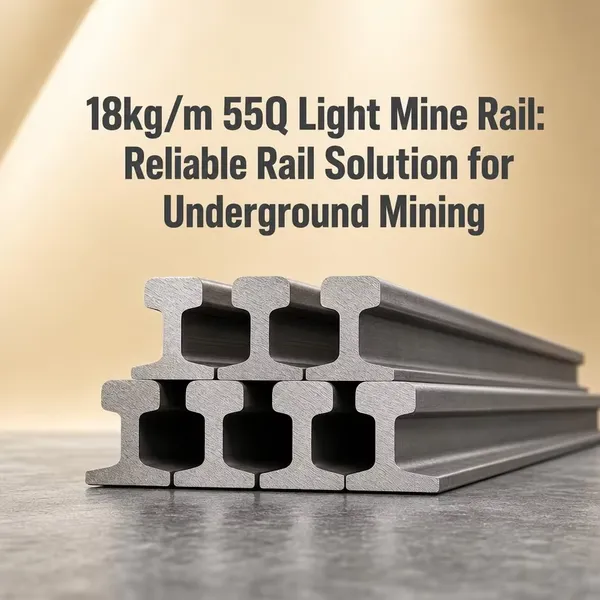 Read More

Contact Us
Recommended Products
-
 ASTM A36 Hot Rolled Steel Coil Carbon Steel Pickled and Oiled for Stamping and FormingUS$ 450 - 480MOQ: 10 Tons
 -
Cold Rolled Steel Coil SPCC DC01 for Deep Drawing and StampingUS$ 430 - 480MOQ: 10 Tons
-
Galvalume Steel Coil AZ150 ASTM A792 for Industrial Siding and HVAC SystemsUS$ 550 - 580MOQ: 10 Tons
-
Prepainted Galvanized Steel Coil Color Coated PPGI Coil for Roofing and Sandwich PanelsUS$ 480 - 520MOQ: 10 Tons
-
Cold Drawn Precision Steel Pipe Tight Tolerance for Pneumatic Hydraulic Cylinder ApplicationsUS$ 570 - 590MOQ: 10 Tons
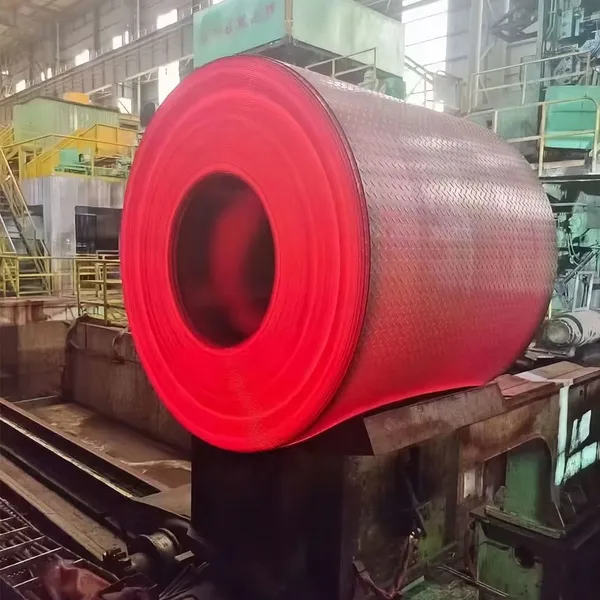
-
Hot Rolled Steel Plate ASTM A36 4143 S355 65Mn for Structural and Heavy Equipment ShipbuildingUS$ 420 - 445MOQ: 10 Tons
-
Precision Cold Rolled Steel Sheet SPCD DC03 for Fine Blanking and BendingUS$ 450 - 485MOQ: 10 Tons
-
Hot Dip Galvanized Steel Sheet DX51D Z Custom Width and Thickness for Fabrication Roofing and Automotive PanelsUS$ 520 - 550MOQ: 10 Tons
-
Galvanized Steel Decking is a Widely Used Type of Profiled Steel Sheet in Modern Steel Structure BuildingsUS$ 510 - 535MOQ: 10 Tons
-
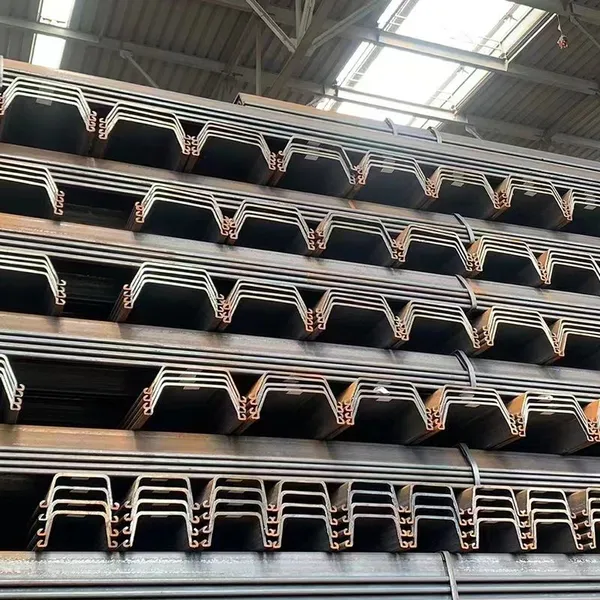
ASTM A572 Steel Sheet Pile U Type and Z Type for Cofferdam and Retaining WallUS$ 500 - 550MOQ: 10 Tons
-
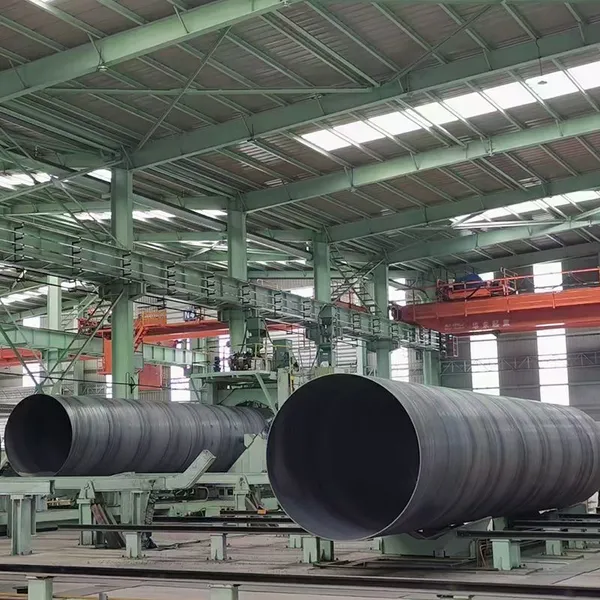
Spiral Welded Steel Pipe Large Diameter for Oil Pipeline and PilingUS$ 450 - 500MOQ: 10 Tons
-
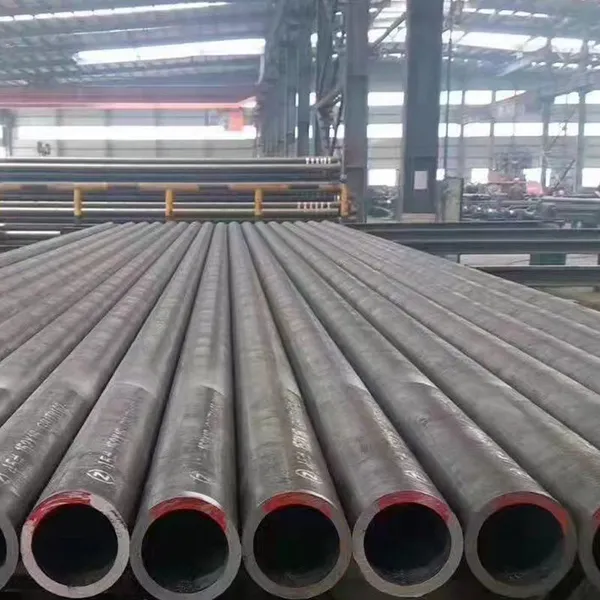
Hot Rolled Seamless Steel Pipe ASTM A106 Grade B for High Pressure ApplicationsUS$ 530 - 550MOQ: 10 Tons
-
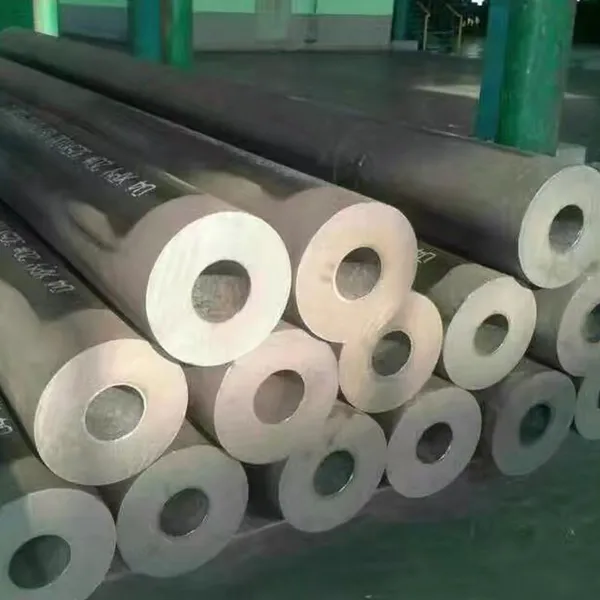
Alloy Steel Seamless Pipe for Boiler and Heat Exchanger High Temperature ServiceUS$ 530 - 550MOQ: 10 Tons
-
Welded Steel Pipe ASTM A53 Grade B for Construction Water and Gas TransmissionUS$ 450 - 500MOQ: 10 Tons
-
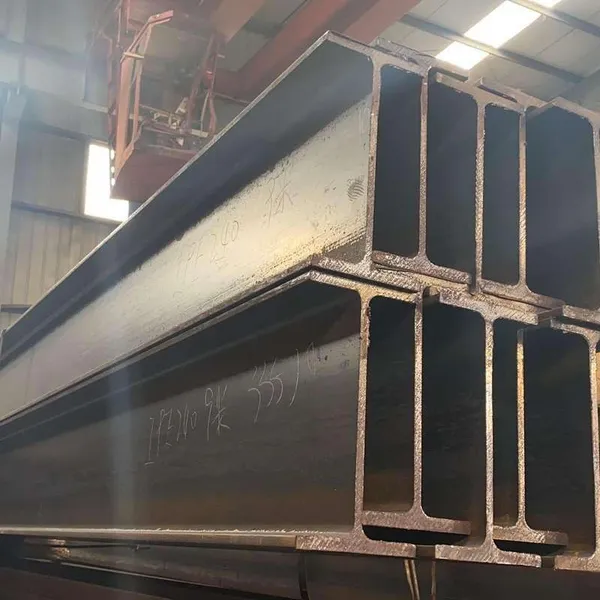
ASTM S235JR S355JR Hot Rolled H Beam Steel Structural Beam for Building Frame and Bridge ConstructionUS$ 420 - 440MOQ: 10 Tons
-
Prestressed Steel Wire PC Wire Indented Surface for Bridge and Beam ConstructionUS$ 530 - 550MOQ: 10 Tons
-
Hot Rolled Steel Wire RodSAE1006 Q195B 82B 5.5 8 12mm for Drawing and FormingUS$ 430 - 450MOQ: 10 Tons
-
ASTM A615 Grade 60 HRB400 500 Hot Rolled Deformed Steel Rebar for Concrete Reinforcement Construction GradeUS$ 400 - 430MOQ: 10 Tons
-
SAE1006 Q195 Gauge Hot Dipped Galvanized Wire Strong Tensile for Fencing Machinery and ConstructionUS$ 470 - 490MOQ: 10 Tons
-
High Carbon Spring Steel Wire ASTM A227 for Compression and Extension SpringsUS$ 560 - 580MOQ: 10 Tons